
Chronic pain influences your overall comfort and well-being. Chronic pain can affect many things in everyday life, including your sleep, mobility, work, ability to exercise, and your regular activities. Chronic pain makes you unable to enjoy simple things in life and even makes simple tasks difficult to do.
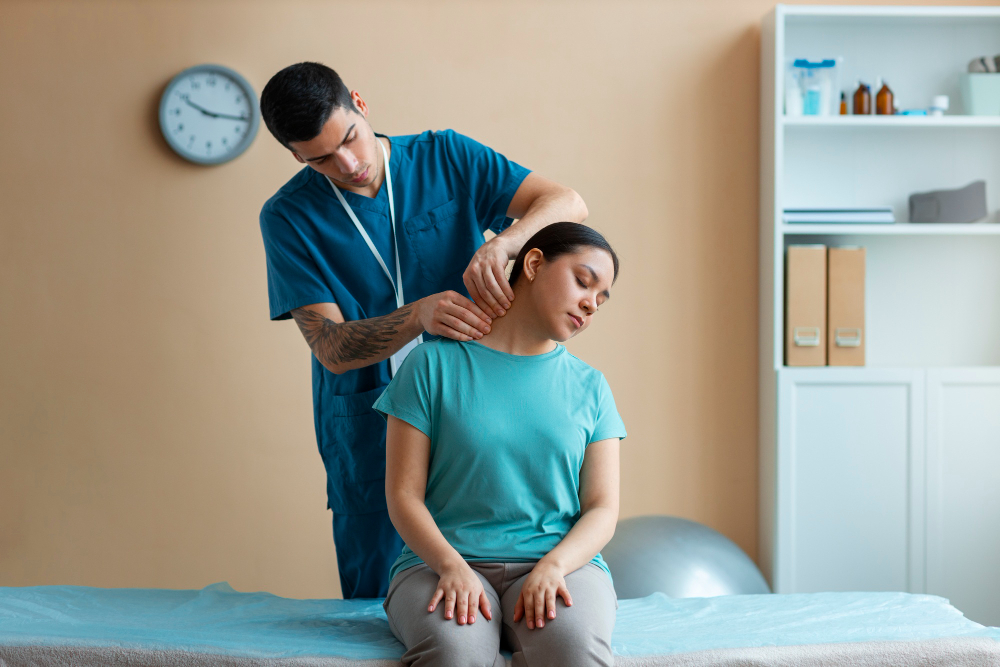
The field of physical medicine takes a holistic view of chronic pain and its treatment. This means that instead of just treating the area that hurts, a physical medicine specialist determines all the major components in the development of pain, including muscles, joints, nerve activity, movement, and daily activities.
What Is Physical Medicine?
Physiatrists, or specialists in physical medicine and rehabilitation, work on the rehabilitation of patients with neuromuscular conditions, maximizing their mobility and physical performance.
Physiatrists diagnose conditions such as backache, neck pain, pain in the joints, muscle pain, and nerve problems that may lead to chronic pain.
They arrive at treatment options depending on individual symptoms, condition, medical background, and requirements. Methods of treatment can be as simple as physiotherapy and incorporate physical exercise or even change of lifestyle, medications, and others.
How Physical Medicine Can Help With Chronic Pain

1. Identifying the Source of Pain
Chronic pain may be due to different reasons. Understanding the cause of pain is an important part of the treatment process. Physical medicine assessment may involve details of the symptoms, medical history, movement patterns, strength, flexibility, and physical abilities.
This assessment helps identify problems that may contribute to pain.
2. Improving Strength and Flexibility
Muscles that are weak and inflexible can create problems whenever the person tries to perform specific movements; however, this does not mean that the individual has to live with their physical limitations. There are programs that have been designed to improve the person’s strength and flexibility, which will eventually allow them to have better movement and control of their body.
The very first step towards improving physical performance is to find the right combinations of exercises that suits the person. Additionally, this will also help in controlling the pain experienced by the person.
3. Supporting Better Movement
Movement is one of the key factors affecting how much pressure is exerted on the various muscles and joints in the body. Physical medicine works on improving the posture, movement and the dynamics of body movements.
Patients are instructed to practice and adopt safer techniques to perform day-to-day activities such as walking, lifting, sitting or exercising.
4. Using Non-Surgical Treatment Options
Conservative methods can be used to relieve several chronic pain conditions before resorting to surgery. The choice of treatment will depend on the diagnosis, and may include such options as physical therapy, exercises and manual techniques, medication and other forms of treatment.
A medical professional specializing in rehabilitation techniques can help to identify the appropriate forms of treatment according to individual circumstances.
5. Helping Patients Stay Active
For some individuals, chronic pain can lead them to be reluctant to engage in physical activities because they fear that movement could increase their pain levels. That being said, prolonged physical inactivity can lead to muscle weakness and stiffness as well as decreased movement abilities.
An individualized rehabilitation program can help them safely engage in movement. The objective of the program is to enable the patients to participate in their daily activities while making sure that their movements comply with their capabilities.
A Personalised Approach to Pain Management
Not everyone suffers from chronic pain in the same manner. Although two people may receive the same diagnosis, they can still suffer from different symptoms and have different bodily requirements. That is why individualized care is an essential component of physical medicine.
Moreover, treatment can also involve collaborating with other healthcare specialists if required. The use of a multidisciplinary approach may help deal with various factors of the condition of the patient..
When Should You Consider Physical Medicine?
Whenever the pain has persisted for long, restricts you in terms of movement, hampers your daily tasks, or recurs regardless of routine treatment, consulting with a qualified medical professional may be worth it.
Physical medicine presents a systematic way to understand chronic pain to improve physical performance. Early evaluation also helps in recognizing the right treatment options when pain hasn’t disturbed your normal life too much.
Personalised Physical Medicine Care at Magnet Health NY
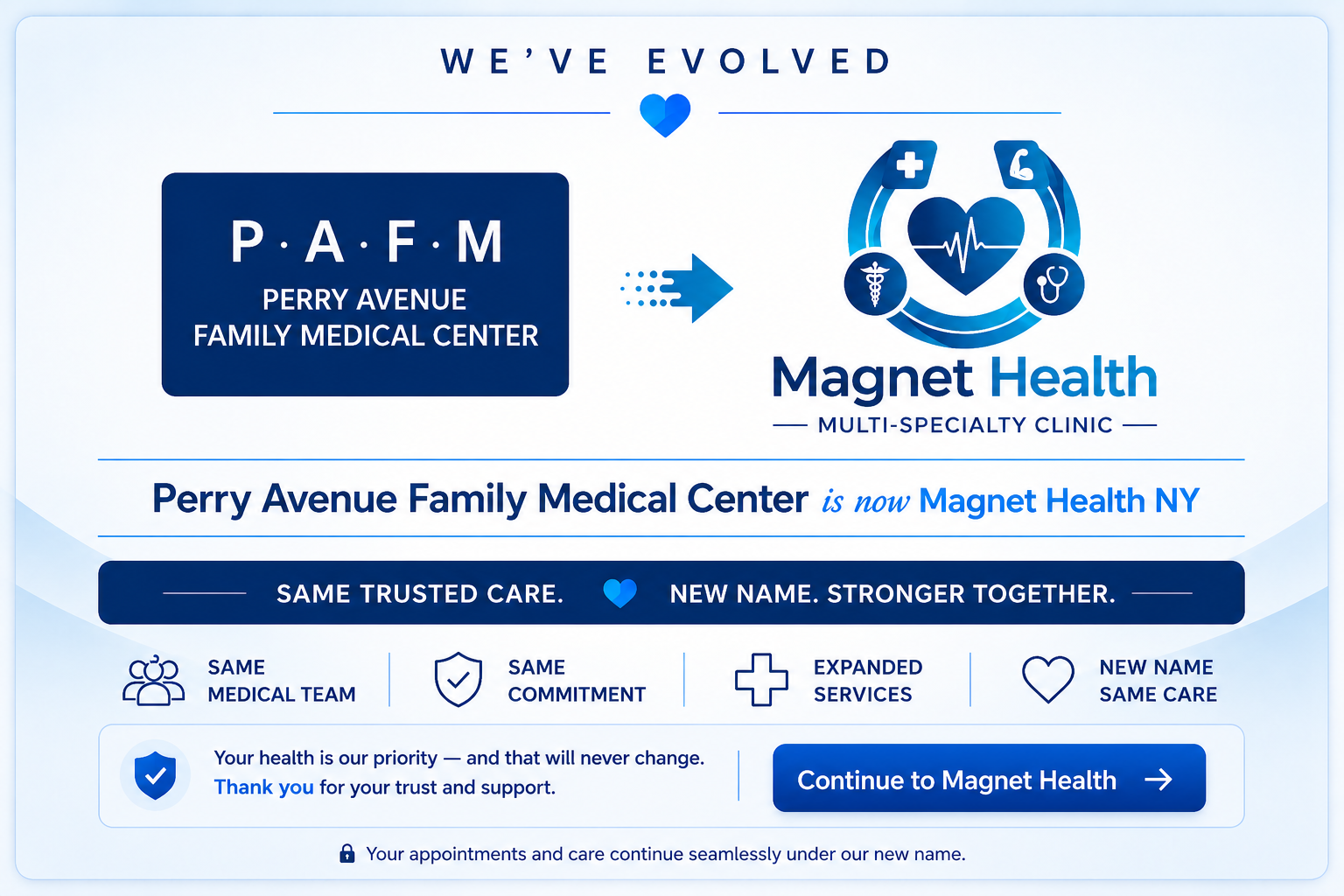
If chronic pain is affecting your mobility and daily activities, Magnet Health NY offers physical medicine services in the Bronx to support your health and physical function. Explore personalised care options to help manage pain, improve mobility, and support a more active lifestyle.
Take the Next Step Toward Better Mobility
The elimination of chronic pain can take time, instead of quickly resolving the issue. Many individuals can gradually enhance their mobility and functioning through treatment that is tailor-made for them and ongoing therapy.
Those suffering from chronic pain should incorporate the field of physical medicine into their overall scheme of treatment. Consult a specialist to find out what might be causing your pain and what forms of treatment would be appropriate for your condition.