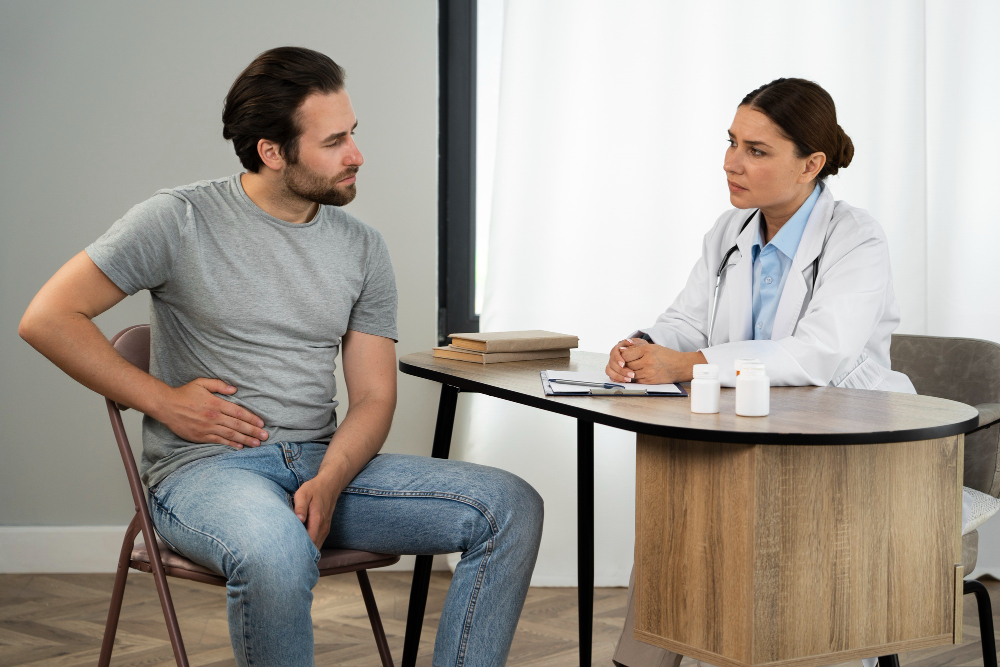

Pelvic pain refers to pains that are experienced in the lower belly, where it is located below the belly button. It may target women and men, but certain causes are more typical of women. The pain can be mild that comes and goes or it maybe acute to the extent that it can influence sleep, work, exercise and day to day activities.
At times, the pain in the pelvis is temporary and it resolves on its own. In some circumstances, it can last weeks or months. Since pelvic pain can be caused by many different reasons, it is important to determine the exact cause to obtain the appropriate treatment.
Take the first step toward relief consult an experienced gynecologist at Magnet Health NY for personalized pelvic pain evaluation and care.
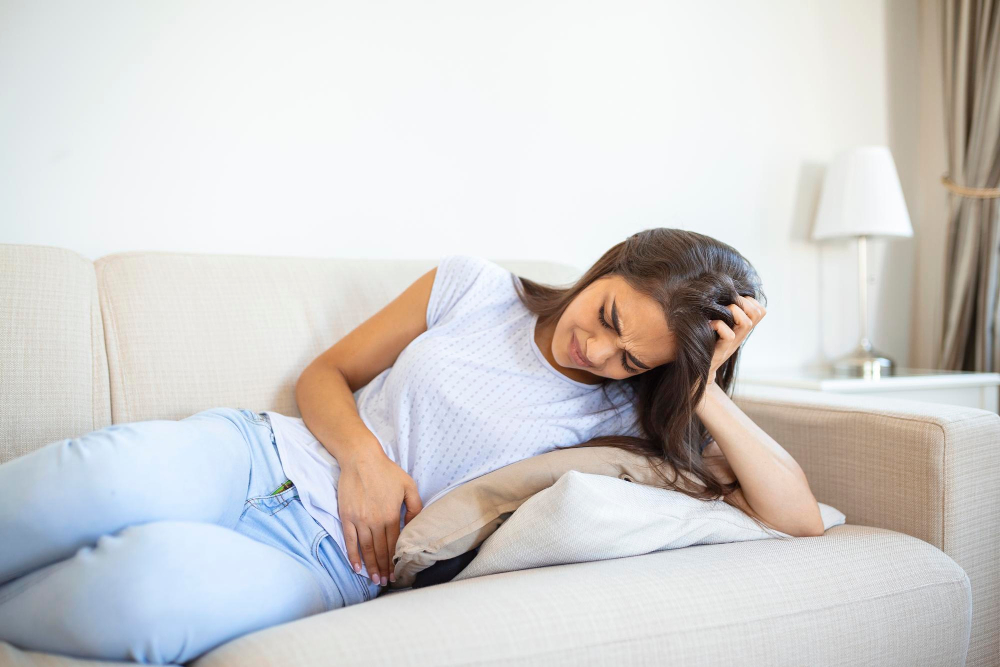
Common Causes of Pelvic Pain
Menstrual Cramps
Period cramps are a common cause of pelvic pain in women. Moving cramping preceding or during period are usual. Nonetheless, extremely painful intervals might require medical care, particularly in cases where the pain interferes with normal functions.
Endometriosis
Endometriosis occurs when the tissues resembling the uterine lining develop outside the uterus. It can lead to severe period pains, pains in the pelvis, pain during intercourse, or inability to get pregnant.
Ovarian Cysts
Ovarian cysts are fluid-filled bags that may develop on or within an ovary. Many cysts cause no symptoms and go away without treatment. Large cysts can lead to pain, pressure or bloating in the pelvic area.
Urinary Tract Infection
Urinary tract infection (UTI) may lead to pain or pressure in the lower belly or pelvic. Additional symptoms can be a burning sensation during urination, urinating frequently, or having cloudy urine.
Bowel Problems
Pelvic pains can sometimes be as a result of constipation and irritable bowel syndrome (IBS). Individuals can also experience bloating, gas and diarrhoea or bowel movements.
Muscle Problems
Pelvic floor Muscles help to support the bladder, bowel and reproductive organs. Slim, strained or sore, pelvic floor muscles can result in pain. The pain might be exacerbated with exercise, sitting or sex.
| Possible Cause | Common Signs |
| Menstrual cramps | Lower belly pain and cramping during periods |
| Endometriosis | Painful periods, pelvic pain, pain during sex |
| Ovarian cysts | Pelvic pain, pressure, or bloating |
| Urinary tract infection (UTI) | Pelvic pain, burning during urination, frequent urination |
| Bowel problems | Pelvic pain, bloating, constipation, or diarrhoea |
| Pelvic floor problems | Pain during sitting, exercise, or sex |
How Is Pelvic Pain Diagnosed?
Since pelvic pain can be caused by a wide range of factors, a physician will most likely begin by asking a few questions regarding the symptoms. They can inquire when the pain began, its location, its intensity and worsening and improvement factors.
Physical examination also might be required. Depending on the symptoms, the physician can prescribe the following tests:
- Blood or urine tests
- Pregnancy test when necessary.
- Ultrasound
- Pelvic examination
- Imaging tests such as an MRI or CT scan
- Tests to check the bladder or bowel
Pelvic Pain Treatment.
The treatment will be based on the cause of the pain. No one-time treatment fits all individuals.
In case of mild pain a doctor can prescribe appropriate pain-killer drug. In case it is due to infection, medication can be administered to cure the infection.
Pelvic pain during periods or other conditions like endometriosis sometimes are treated using hormones.
Physical therapy of the pelvis can be used as well, in case the muscles are causing pain. Exercises and techniques to relax or strengthen these muscles can be taught by a trained therapist.
At times, surgery might be necessary to correct a disease like some cysts in the ovaries or endometriosis. Depending on the condition and the symptoms, a doctor can clarify the need to have surgery.
Easy Solutions to Relieve Pelvic Pain
Together with medical care, some basic measures can be taken to alleviate pain. Some warm heating pad on the lower belly can help with cramps and muscle tension. Light exercise, stretches and sufficient rest can help too.
If pelvic pain is persistent, recurring, or affecting your daily activities, consulting a qualified gynecologist can help identify the underlying cause and determine the right treatment. At Magnet Health NY, you can consult an experienced gynecologist in the Bronx, NY for evaluation and personalized care. From menstrual concerns and endometriosis to ovarian cysts and other gynecological conditions, professional guidance can help you understand your symptoms and take the appropriate steps toward relief.
It can help to maintain a symptom diary. Keep note of the time pain lasts, the duration and whether it is associated with time, meals, urine, bowel movements, exercise. This information may assist a doctor to know potential triggers.
Seek medical care if pelvic pain is severe, keeps returning, lasts for a long time, or starts affecting your normal activities.
Final Thoughts
There are numerous causes of pelvic pain, which may include period cramps and muscle issues, a sore throat, and other illnesses. Mild pain can sometimes be relieved by rest and simple care, but persistent, or intense pain cannot be overlooked.
The initial action towards effective pain relief of the pelvis is to find the cause. A medical expert will be able to examine your symptoms, prescribe appropriate tests, and develop a treatment program depending on your needs.