

Visiting a qualified physician when you experience health symptoms is crucial for quick recovery. This is even more important for certain conditions. Examples include heart disorders. The reason is that delayed medical care can have fatal consequences for heart patients.
What Does a Heart Specialist Do?
You should visit heart specialists or cardiologists to seek treatment for any disorder affecting your blood vessels and/or heart. Their specialization allows them to diagnose various cardiac conditions and treat them. These professionals also help individuals prevent the occurrence and progression of different heart diseases. The segment below discusses various roles of a heart specialist:
Diagnosing Cardiovascular Disorders: When you visit a heart specialist in the Bronx suspecting a cardiovascular condition, the professional will begin by assessing your physiological symptoms. Then, he/she will order one or more of the following diagnostic tests to make the final diagnosis:
- ECG
- Stress test
- Echocardiogram
- Holter test
- Angiogram
- Cardiac CT or MRI
Treating the Detected Condition: Depending on thespecific requirements of a patient, the cardiologist prescribes medications to manage high cholesterol, hypertension, arrhythmia, etc. Additionally, they recommend smoking cessation, regular workouts, inclusion and exclusion of certain items from the daily diet, etc.
Referring Patient to Other Specialists: If the patient has diabetes, the cardiologist will refer him/her to an endocrinologist. If the patient requires undergoing procedures such as open-heart surgery, angioplasty, or pacemaker placement, the cardiologist will refer him/her to a reputable cardiothoracic surgeon.
Other than these, heart specialists also help prevent the worsening or onset of heart disorders through regular monitoring.
5 Warning Signs That You Should See a Heart Specialist
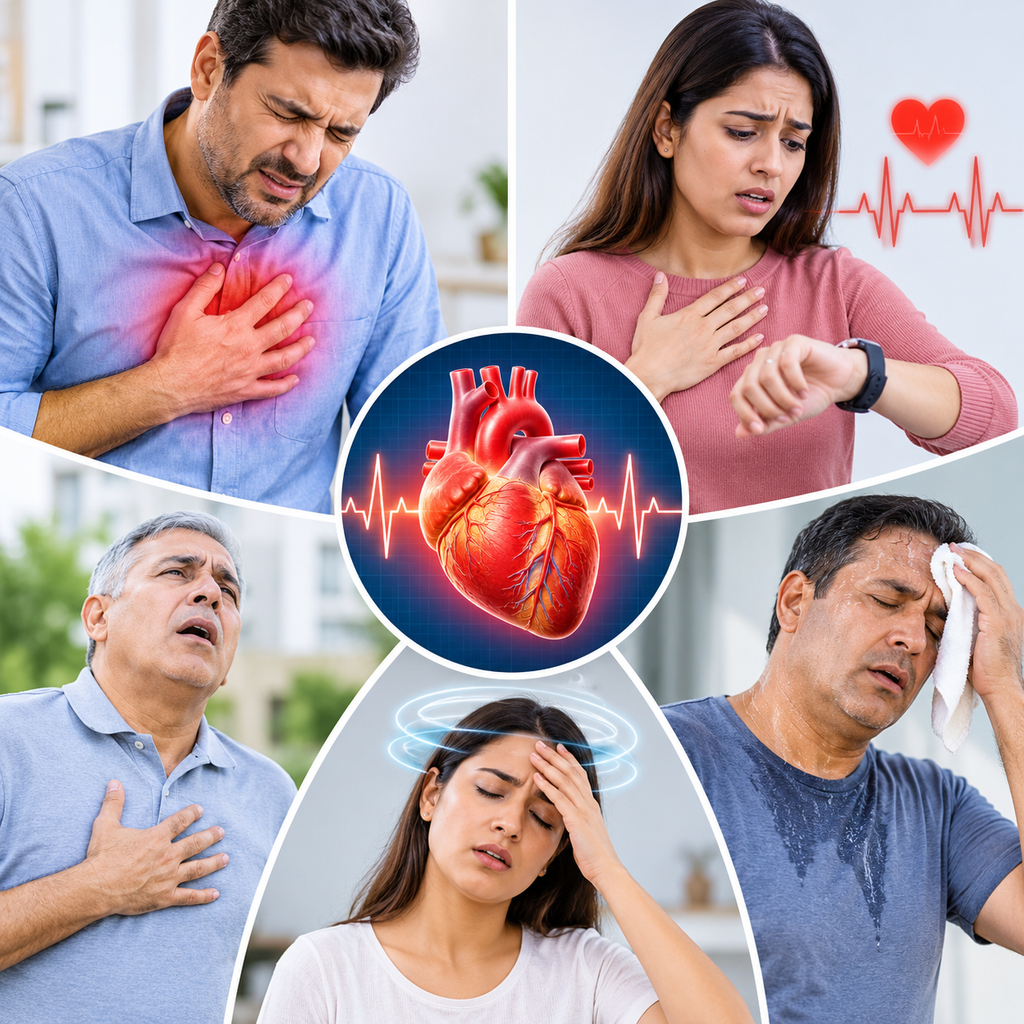
Below are the five most worrying warning signs of heart disease. If you experience any one of them, do visit an experienced heart specialist right away.
1. Chest Pain with a Feeling of Pressure: Heart disease-related chest pain is often characterized by a feeling of heaviness or tightness in the chest. The patient tends to have a squeezing sensation in his or her chest. It’s also common for the pain to radiate to the neck, back, arm, jaw, and at times to the upper stomach.
2. Palpitations: If you feel that your heart is pounding or racing, treat it as a warning sign. Skipped heartbeats (when they occur frequently) also indicate a serious cardiac ailment.
3. Breathing Difficulty: If you find it hard to catch your breath when performing light tasks, resting, or lying flat, you are most likely suffering from impaired cardiac pumping or reduced blood flow.
4. Fainting or Dizziness: Passing out suddenly may indicate issues with heart rhythm. Dizziness, on the other hand, is a common sign of impaired blood flow to the patient’s brain.
5. Cold Sweats: It is a stress response of the nervous system triggered by reduced blood flow to the heart during heart attacks. As a stress response, the nervous system activates the patient’s sweat glands even when the ambient temperature is normal and the patient is at rest.
Who Should Consider Regular Heart Checkups?
You should see a heart specialist Bronx for regular checkups if one or more are true:
- You have a family history or cardiovascular diseases
- You are above 40
- You have a metabolic condition like diabetes
- You have hypertension and/or high cholesterol
- You have a sedentary lifestyle
- You are obese or overweight
- You are a perimenopausal or post-menopausal woman
- You are already suffering from a cardiovascular condition or have suffered a heart attack before
What to Expect During a Heart Health Evaluation?
When you visit a heart specialist for treatment, he/she will first listen to your symptoms and perform a thorough physical exam. The doctor will check your heart rate and blood pressure and review existing test reports.
You will need to share your dietary habits and details of your daily lifestyle with the physician. The doctor will also ask about the existing health problems you have and your family’s medical history.
The above information will let the specialist make a preliminary diagnosis, which he/she will confirm with various diagnostic tests.
Find the Right Heart Specialist in the Bronx with Magnet Health NY
If you are in the Bronx or a surrounding territory of the county, reaching a qualified heart specialist is easy. Thanks to the country’s most trusted multi-specialty clinic, Magnet Health NY, you can get yourself checked by one of the best cardiologists in the Bronx, United States. The best thing about the clinic is that it offers both same-day and next-day appointments whenever there’s an emergency.