

Pregnancy is a cause of physical changes in the body. One of those changes is sciatica pain for many women. As the baby develops, the levels of hormones change, and the lower back gets more weight. That weight can put pressure on the sciatic nerve, leading to pain that travels from your hips and butt to your legs.
Sciatica also develops during pregnancy, which can inhibit simple actions such as walking, sitting, standing, and even sleeping. However, there are plenty of safe and effective ways to relieve discomfort and support comfort in your daily activities.
How to Relieve Sciatica Pain While Pregnant
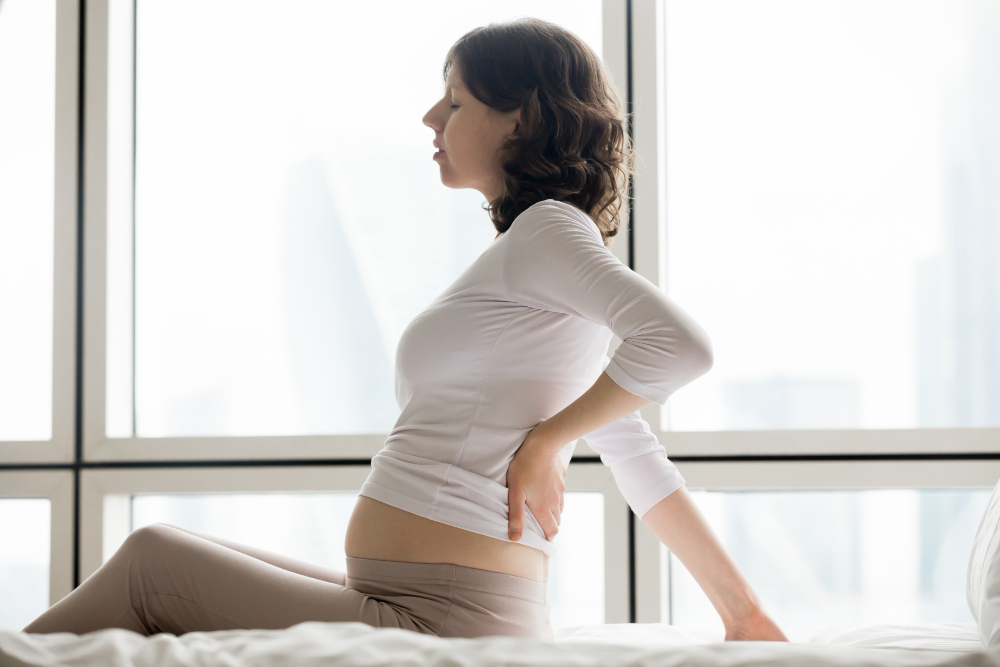
Maintain Proper Posture
Maintaining proper posture releases the stress from your low back and pelvis. Attempt to attempt not to remain for long, shed some of the hardness off your shoulders. Use an ergonomic chair with lower-back support when sitting.
Use Warm Compresses
Using a warm compress or heating pad on the painful area may relax muscles and help alleviate pain. Do not raise heat or keep the temperature very hot throughout pregnancy.
Gentle Pregnancy Exercises
Gentle stretching and pregnancy-safe exercises can help loosen your muscles and relieve pressure on your nerves. Gentle walking, yoga and pelvic tilts in pregnancy are also recommended.
Any exercise regimen, especially during pregnancy, should be started only after seeking medical advice.
Avoid Heavy Lifting
Heavy lifting can increase the pressure on your lower back, which may aggravate sciatica pain. If lifting is necessary, bend at the knees and avoid twisting movements.
Prenatal Massage Therapy
Prenatal massages are another option offered by trained professionals that may relieve tension in your muscles, tissue and ligaments surrounding the sciatic nerve.
Wear Supportive Footwear
Fat or unsupportive footwear will definitely do more harm than good. Wearing the right shoes promotes better body alignment while pregnant.
Sleep on Your Side
The left lateral position, especially side sleeping, is recommended to reduce compression on the sciatic nerve and improve maternal-fetal circulation.
How Long Does Sciatica Last in Pregnancy?
Sciatica pain during pregnancy varies from person to person. While some women only experience mild discomfort for a handful of weeks, others suffer through symptoms their entire course of pregnancy.
Sciatica often improves after delivery because once the baby is born, there may be immediate relief of pressure on the sciatic nerve. In any case, healing time depends on various factors such as posture, physical activity patterns, weight gain, and overall spinal health.
Medical guidance is advisable if the pain progresses to a significant degree, leads to mobility impairment or excessive numbness.
How to Sleep With Sciatica Pain While Pregnant
Sciatica pain makes comfortable rest difficult. But some sleeping positions and habits can help avoid sore spots.
Sleep on the Opposite Side of the Pain
If it is right-sided pain, sleep on your left side; if it is left-sided, sleep on your right side. This relieves pressure on the affected nerve.
Use Pregnancy Pillows
A pregnancy pillow offers additional support for the belly, hips and lower back. A fleece between the knees could also promote proper spinal alignment.
Keep Knees Slightly Bent
Sleeping with the knees mildly bent releases pressure on the lower back and sciatic nerve.
Avoid Sleeping on Your Back
During pregnancy, sleeping on your back can put additional pressure on the spine and make sciatica symptoms worse.
Choose a Supportive Mattress
Because a medium-firm mattress usually gives more support to the spine, you may experience less pain while sleeping at night.
When Should You See a Doctor?
Mild sciatica is one of the most frequent problems during pregnancy. However, some signs of back pain and sciatica point to the need for urgent medical assistance. Contact your doctor.
• Severe or worsening pain
• Difficulty walking
• Loss of bladder or bowel control
• Significant numbness or weakness
• Persistent pain that affects daily activities
See a health professional if the sciatica pain persists, is severe, or you are having difficulty coping during your pregnancy. Magnet Health NY Pain Management Services focuses on procedures and treatments to help patients regain freedom from chronic pain, increase mobility, and improve the quality of life.
Conclusion
Sciatica pain during pregnancy is an uncomfortable thing to deal with, and one needs care, lifestyle implementation if done correctly, can manage many symptoms stemming from sciatica. Gentle exercise, good posture, supportive sleep positions, and professional medical guidance all play an important role in reducing discomfort.