
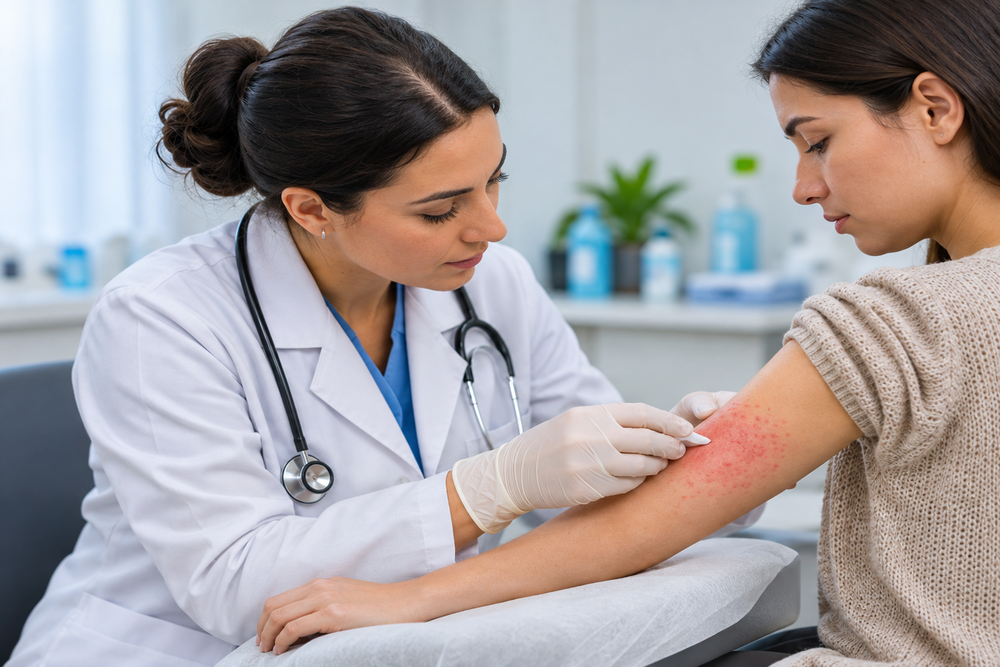
A rash often begins as a tiny itchy spot that gradually escalates to the point that the discomfort is barely bearable. Imagine an upset from a new perfume causing an itch along the neck, or after using a cleaning product, the hands feel very dry.
While most mild cases heal with only minimal care, certain rashes require a doctor’s help. In your search for skin rash treatment in the Bronx area, understanding which factors are most likely responsible for a skin flare-up would guide you toward taking appropriate action.
Why Might the Skin Show a Rash?
The type of skin rash also depends on skin tone. In the case of a brown or dark-skinned person, areas might be brown or purple; a light-complexioned person’s rash would be red.
Some of the common sources:
- Contact dermatitis: A common skin disease where irritation/chemicals like soap, cleaning agents, or perfumes affect the skin or, in other words, an allergic reaction.
- Dryness and itching are characteristic features of eczema.
- Painful hives are also known to move across the body quite a bit without warning.
- Fungal infections, for example, ringworm, result in an itchy rash, often with a ring-like shape.
- Heat and sweat: The combination of tight clothes and high heat may cause the problem to worsen.
Simple Ways to Soothe Itchy Skin at Home
If your rash is mild and you otherwise feel well, try a few changes to see if your condition improves.
Cool the Itch
Hold a cold, damp cloth on the area for five to ten minutes. Don’t give yourself a hot shower. This will make already-sensitive skin feel sore.
Use Fragrance-Free Products
Choose a gentle cleanser and apply a fragrance-free moisturiser after you have bathed, while the skin is still slightly damp. Stop using new skincare products or laundry products that you suspect may be to blame.
Give Your Skin Some Space
Reduce rubbing with loose cotton clothing, and make sure your nails are short too. Scratching can cut skin and increase the risk of infection.
These steps were suggested by the American Academy of Dermatology to ease itching, but do not treat all causes of the rash.
What Treatments Might a Dermatologist Recommend?
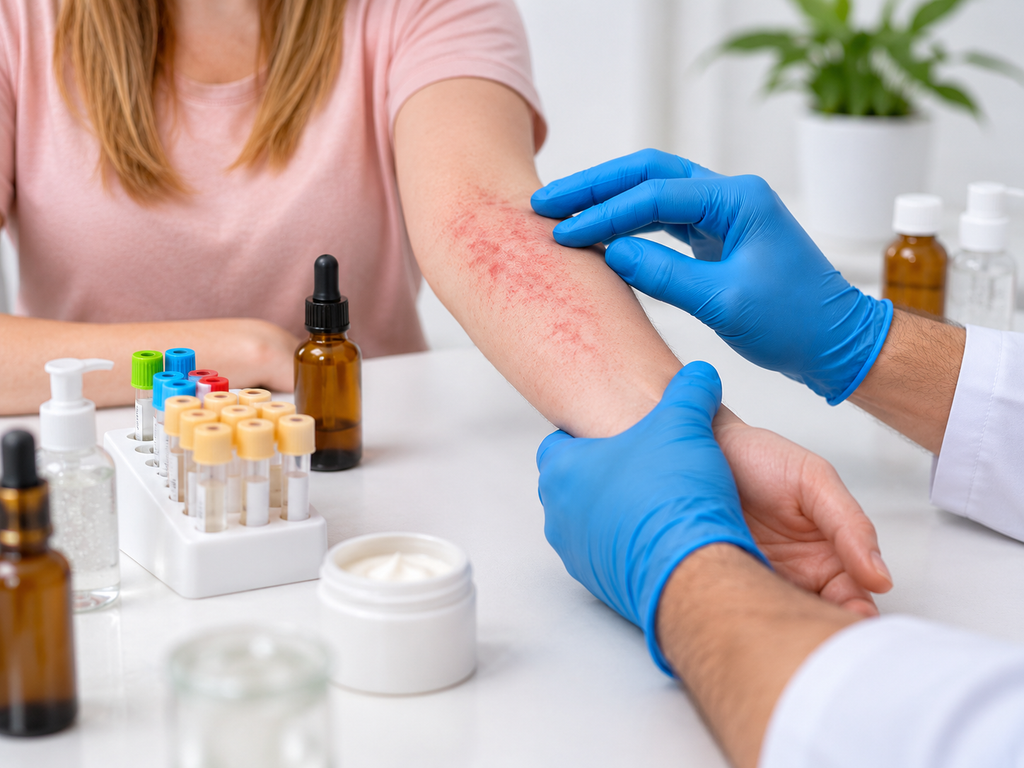
What is behind the rash will depend on what’s causing it. Your doctor may ask when it started, examine your skin and review any new products or medications you are taking. Sometimes a test is needed.
Possible treatments include:
- Moisturisers and creams prescribed for eczema or inflammatory skin conditions.
- Antihistamines for certain allergic reactions or hives.
- Antifungal medications if a fungal infection is suspected or confirmed.
- Antibiotics if the skin infection is bacterial.
Always get a dermatologist’s opinion before applying a steroid cream to a rash that is unrelated to the person’s condition. The CDC warns that steroids can make ringworm worse.
When Should You Get Medical Help?
Booking a medical appointment is recommended if your rash persists, seems to return often, prevents you from sleeping, or does not respond to home care. Inspect yourself for pain, blisters, fever, and signs of infection (pus, warmth, or yellowing crusting). Rashes on the eye, mouth, or genital areas should also be checked out.
Severe conditions such as a rash, difficulty breathing, difficulty swallowing, or swelling of the lips or eyes should be checked out right away.
Find Dermatology Care at Magnet Health NY
If itchy skin is affecting your day, the dermatology services at Magnet Health NY in the Bronx offer evaluation and treatment for rashes, eczema, hives, psoriasis, and skin infections. The clinic’s dermatology team can assess your symptoms and recommend treatment based on the cause of the irritation. Magnet Health NY has locations on Perry Avenue and Manor Avenue in the Bronx. Call Magnet Health NY to make an appointment.
How Can You Prevent Another Flare-Up?
While your skin is healing, think about what changed before the rash appeared. Did you switch to a new detergent, start a new cream, or spend hours in sweaty clothes? Keep a list of any possible triggers on hand for when your next appointment rolls around. Gently washing and moisturising help soothe easily itchy skin.
The rash may be common, but you should not just put up with itching. The only way to get rid of it is to get tested first.