
A nurse draws a drop of blood from a heel a few hours after birth, as soon as 24 to 48 hours after the child is born, before they leave the hospital. The drops of blood are put onto a special filter paper card and sent to a state public health laboratory. Also referred to as the metabolic screening or newborn screening test, this quick procedure is one of the most important preventative health measures in all of modern medicine.
While the test is widely known among parents, relatively few can explain precisely what conditions it tests for or why early detection of those conditions is so important.
Why Newborn Screening Matters
Give your baby a healthy beginning with the right care and screenings. If you have questions about newborn metabolic screening, consult an experienced pediatrician at Magnet Health NY for professional guidance and personalised newborn care
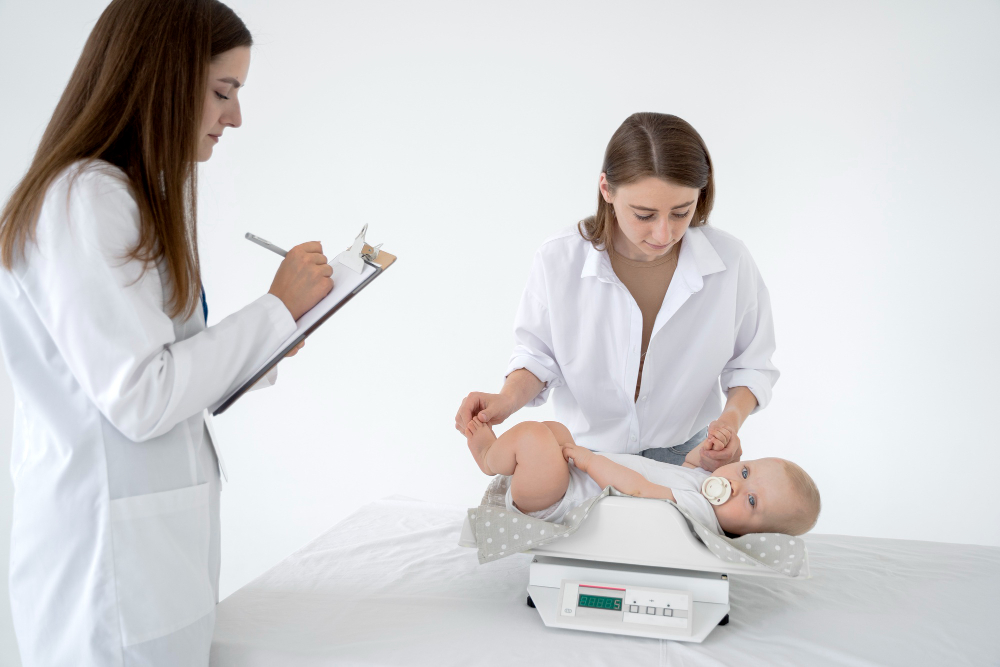
Newborn metabolic screening tests for infrequent, serious, hereditary, hormonal, and metabolic diseases that are asymptomatic upon delivery. Infants born with these conditions generally appear and behave perfectly normal and well. But untreated, they can accumulate toxic metabolites or harmful chemicals in their bodies, resulting in irreversible brain damage, serious developmental delay, organ failure or sudden death.
This way, having realized these conditions before any signs arise, medical practitioners can start dietary modifications, enzyme replacement therapies or medication right away, and the child could live their life perfectly normally, healthily.
Core Categories Assessed in Metabolic Screening
Although the specific screening panels are regional and country specific, most of the comprehensive screening programs check blood samples for a number of main categories of conditions:
Amino Acid Disorders
You are made up of amino acids, the building blocks of proteins. Those patients would die from an inability to process certain components of proteins, so they would build up in the brain and other organs.
Phenylketonuria (PKU) – the most common inherited metabolic disorder. PKU means the children do not have the ability to break down the amino acid phenylalanine. If left untreated, it leads to severe intellectual disability. If the disease is diagnosed early enough, prevention of complications is possible with a specialized low protein diet.
Maple Syrup Urine Disease (MSUD): So, called because the urine smells sweet, MSUD is also due to the inability to process three specific amino acids, and they cannot survive without immediate treatment.
Fatty Acid Oxidation Disorders
Fatty acids are the main energy sources, particularly in the absence of food (e.g. during night sleep). These disorders prevent children from being able to convert fats to energy.
Medium-Chain Acyl-CoA Dehydrogenase (MCAD) Deficiency: More of the common metabolic disorders. If a baby with MCAD goes many hours without food or becomes ill, they can run out of energy and experience extreme low blood sugar, seizures, or sudden infant death. Management is simple just feed a few times each day and all symptoms completely and utterly disappear.
Organic Acid Disorders
These states disrupt the metabolism of both protein and fat, leading to the accumulation of abnormal organic acids in the urine and blood.
Methylmalonic Acidemia (MMA) and Propionic Acidemia (PA) These metabolic disorders cause great metabolic instability causing high ammonia levels, lethargy, and poor feeding during the first days of life. Management with medication early restores metabolic function.
Endocrine (Hormone) Disorders
This screening test also checks if a baby produces low levels of key hormones that are needed for growth and energy regulation.
Thyroid Disorders: Congenital Hypothyroidism thyroid cannot make enough thyroid hormone. Without early synthetic hormone replacement, most infants will experience permanent delays in intellectual and physical growth.
Congenital Adrenal Hyperplasia (CAH): A disorder of the glands that control how the body makes and how the body uses the hormone cortisol (among other hormones) and that can be life-threatening if not treated.
Blood and Hemoglobin Disorders
Sickle Cell Disease & Thalassemia (Main Clinical Application), The test is utilized to identify the structure of red blood cells, allowing for early detection and treatment of these inherited blood disorders, preemptively starting antibiotics and pain management protocols prior to severe infection.
What To Do If the Screening Is Positive?
A newborn screening test result is only positive or out-of-range when it is positive or out of range. It is just that it needs more testing. Most of the out-of-range initial screens are false positives from preterm, low birth-weight, or just simply an erroneous sample time.
Should the test yield a positive result, your pediatrician will order specific diagnostic confirmatory tests (such as utilization of blood or urine panels). If a diagnosis is confirmed you will be referred to a pediatric metabolic specialist and begin treatment straight away.
The actual process of newborn screening with blood testing is less than a minute at the hospital but the implications are for a lifetime, giving every baby the very best start in life to a healthy future.