

Osteoarthritis is the main cause of knee joint pain in most patients. One can suffer from knee pain due to other reasons, such as ligament and meniscus tears, repetitive strain, other forms of arthritis like gout and rheumatoid arthritis, etc. However, osteoarthritis remains the number one cause. The section below discusses knee osteoarthritis and explains how it causes pain in the knee joints.
Experiencing knee pain? Schedule a consultation with Magnet Health’s orthopedic specialists for an accurate diagnosis and personalized treatment plan.
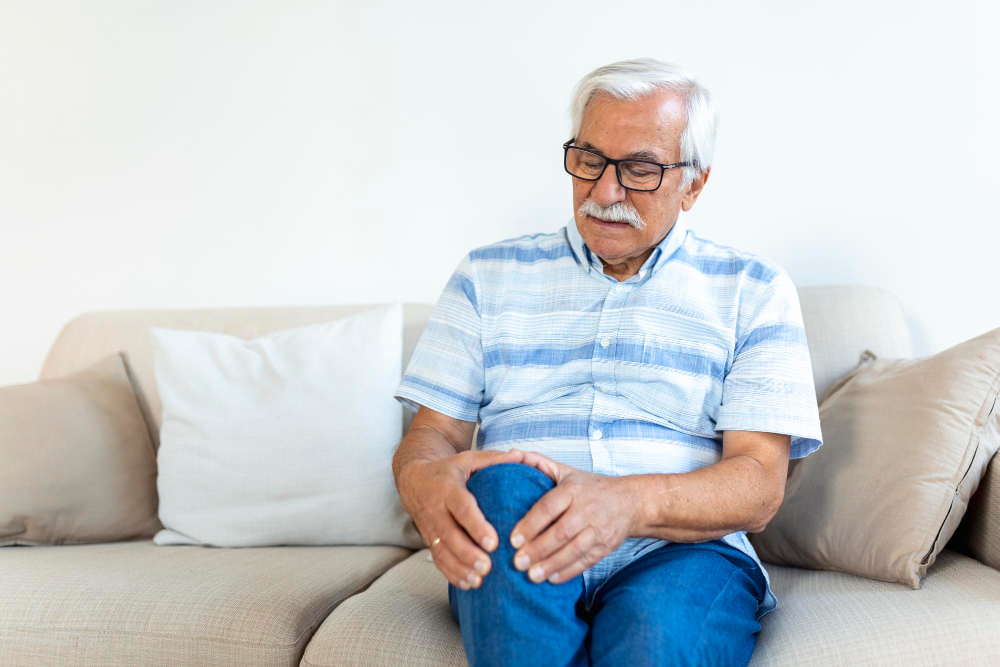
An Introduction to Knee Osteoarthritis
People develop knee osteoarthritis due to the breakdown of the cartilage in their knee joints. With broken cartilage, the bones of the joint rub constantly against each other, causing swelling and pain in the affected knee.
Experts categorize osteoarthritis as a degenerative condition. It occurs due to severe wear and tear of the knee joints. Some common causes of such wear and tear in the knee joints include old age, excess body weight, and knee injuries.
While you cannot reverse osteoarthritis once it occurs, your doctor can help slow its progression and offer you significant relief from its debilitating symptoms.
When Does an Osteoarthritis Patient Experience Knee Pain?
You may experience knee pain in all stages of the disease. However, the intensity of the pain differs depending on the severity of the condition. When you are in stage 1, you experience minimal damage to your cartilage. Patients rarely experience any significant pain in this stage.
As the disease progresses to stage 2, the wear and tear increases, causing knee joint stiffness and mild pain in patients. However, the grinding of bones is yet to start as the affected knee joint still has enough cartilage in stage 2.
At stage 3, the cartilage reduces significantly, and the patient begins to experience excruciating knee pain while performing certain activities. These include kneeling, running, climbing stairs, and squatting. You may also experience pain when walking long distances. Long hours of inactivity, on the other hand, trigger joint stiffness in stage 3 osteoarthritis patients. At times, stiffness can even make moving the knee joint difficult.
When you progress to stage 4, i.e., the final stage of knee osteoarthritis, it’s unlikely that there will be any cartilage left in the affected knee. As a result, the bones keep grinding against each other whenever you move the knee joint. The result is severe knee pain and stiffness, and possible immobility. Your doctor may advise you to undergo knee replacement surgery if your disease progresses to stage 4.
How to Manage Knee Joint Pain Resulting from Osteoarthritis?
As mentioned above, reversing the condition is impossible. However, if you get yourself checked at the right time, your orthopedic will ensure that the disease progresses slowly. The specialist will use a combination of targeted medical treatments and physical therapy to offer you relief from various symptoms of knee osteoarthritis, including pain in the affected joint. The doctor will also recommend some lifestyle changes.
Physical Therapy: Perform exercises such as hamstring stretch, calf stretch, heel slides, quad-sets, leg raises, etc. Ideally, you should work with an experienced physical therapist for a few weeks to learn these exercises. Activating, such as swimming, walking, and cycling, may also be beneficial if you are in the initial stage of knee osteoarthritis.
Weight Loss: Other than exercising regularly, you must also make some changes to your daily diet. It is essential for losing weight and reducing the burden on your ailing knees.
Medications: Your doctor may prescribe topical gels such as diclofenac gel to reduce the knee joint inflammation. These gels target only the painful area of the body and thereby don’t have any ill impact on your internal organs, like the liver and kidneys.
Doctors may prescribe nerve-pain medications such as duloxetine to reduce chronic knee joint pain due to osteoarthritis. There are some over-the-counter options too; for example, acetaminophen and non-steroidal anti-inflammatory drugs like ibuprofen. However, overuse of these medications can lead to serious side effects. Your doctor may also prescribe corticosteroid shots.
Pain Management Tips: You can consider wearing knee braces to enjoy greater stability of the joints when walking.
Conclusion
You must see an orthopedic even if you experience mild knee pain occasionally. Only an expert can identify the actual cause of the pain and recommend effective treatment options.
If you’re in the Bronx, finding experienced orthopedic specialists is easy with Magnet Health. As a trusted multispecialty clinic, Magnet Health connects you with highly qualified orthopedic experts who provide comprehensive care for a wide range of knee and musculoskeletal conditions.