

Which eye disease causes condition of bulging eyes as elevated level If your eyeballs are protruding out from their normal position in the eye socket. Bulging of the eyes, while naturally present in some individuals may be sudden or progressive and from an underlying medical condition that requires immediate medical attention.
Exophthalmos refers to protrusion or bulging of the eye and is often linked to thyroid diseases, especially Graves’ disease; however, it can also occur with other conditions. By being aware of the causes, diagnosis, and visual signs of changes which affect the eyes that are linked to the thyroid gland, patients can be encouraged to sought treatment at an early stage.
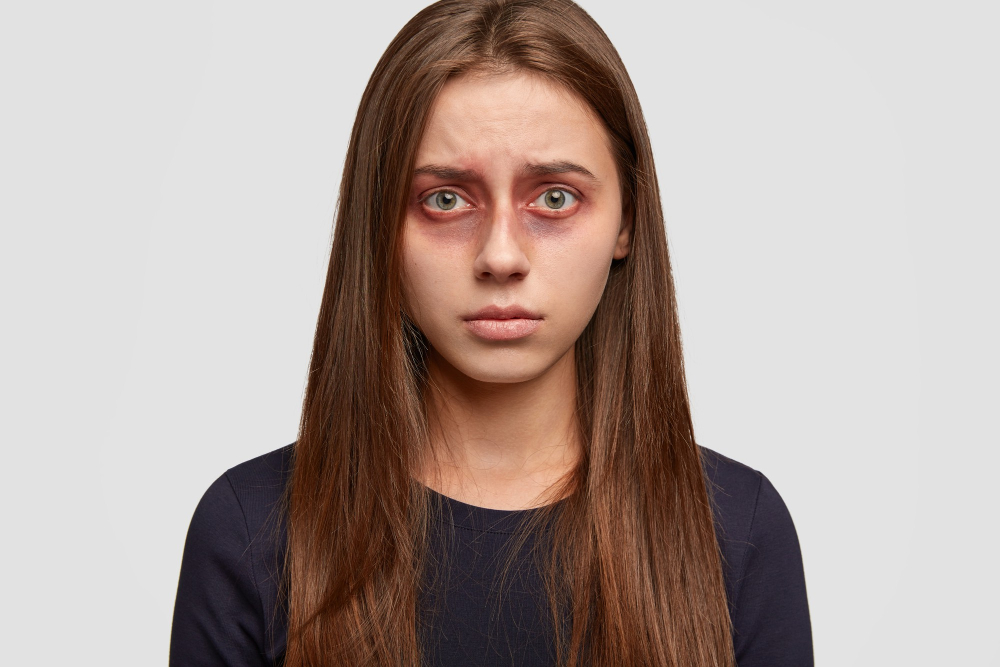
What Disease Causes Bulging Eyes?
So, then the question arises, “What disease do bulging eyes have? Exophthalmos can result from a number of medical disorders, although the commonest underlying condition is thyroid eye disease.
Thyroid Eye Disease (Graves’ Ophthalmopathy)
Thyroid eye disease, an autoimmune disorder often associated with Graves’ disease, is the leading cause of bulging eyes. In this condition, the immune system takes aim at the tissue compartments surrounding your eyes and leads to inflammatory swelling of the eye socket and subsequent anterior moving of the eyeballs.
Orbital Tumors
If the tumor is inside the eye socket — whether it is benign or malignant — it can push the eye forward and cause bulging. Symptoms may develop gradually or quickly, depending on the type and size of tumor.
Eye Socket Infections
Infections can also be serious and include orbital cellulitis, which leads to swelling, pain, redness, and bulging of the eye. It needs to be treated immediately.
Trauma and Injury
Face or eye socket injuries may cause bleeding behind the eye, making the bulge instantaneously prominent. This condition is a medical emergency and requires an immediate assessment.
Inflammatory Disorders
Some inflammatory diseases, including sarcoidosis or even orbital inflammatory syndrome can affect this tissue around the eyes and result in exophthalmos.
Common Symptoms of Bulging Eyes
Bulging eyes can occur with more than one condition or disease. Common signs include:
- Eye redness
- Dryness or irritation
- Excessive tearing
- Eye pain or pressure
- Sensitivity to light
- Double vision
- Difficulty closing the eyelids completely.
- Blurred vision
Any change in vision that accompanies eye protrusion necessitates immediate medical assessment.
How Does Doctor Diagnose Bulging Eyes?
A bulla is simply a blister; many patients have bulging eyes, so how do doctors know which ones are going to be treated right away? Diagnosis is based on a combination of physical examination, medical history review, and diagnostic testing.
Comprehensive Eye Examination
History and Veterinary Eye Examination A) Your eye specialist will start by assessing the positioning of the eyes, their motility, eyelid function, and vision Statistics have been measured with an ophthalmometer to assess the extent of eye protrusion.
Medical History Review
Doctors start with questions about symptoms, thyroid disorders, history of recent infections or injuries, autoimmune diseases, and family medical history. And this information helps narrow down probable causes.
Blood Tests
Thyroid hormones are typically tested using blood panels to check for autoimmune disorders like Graves? disease.
Imaging Studies
CT or MRI (via a specialist called a radiologist) offer detailed pictures of the eye socket and surrounding tissues. Such imaging tests can help detect tumors, inflammation, infections, or other structural problems that may contribute to exophthalmos.
Vision and Eye Function Testing
Other tests may check visual acuity, peripheral vision, eye pressure and how well the eye muscles are working to investigate if the condition affects vision or the movement of your eyes.
Comprehensive Eye Care for Eye Health and Visual Scale
Eye care is essential if you experience bulging eyes, difficulty seeing, or prolonged redness of the eyes. Magnet Health NY offers expert optometrist services in the Bronx for complete eye care. Our team of optometry specialists performs thorough eye examinations and provides personalized treatment to detect underlying eye conditions and support overall vision health. Early evaluation can help identify potential problems before they become serious.
Patients frequently ask, “What do thyroid big bulgy eyes look like?
Thyroid eye disease patients have a prominent appearance in their eyes because swelling behind them pushes them forward. The condition can be monocular or binocular, although it usually is bilateral.
Thyroid related exophthalmos can be experienced by people suffering from:
- A noticeable staring appearance
- Eyelid retraction, where the upper eyelids seem to pull back.
- More visible white of the eye
- Puffy tissues around the eyes
- Difficulty blinking normally.
- For dry or irritated eyes that may arise in cases of incomplete eye closure
In advanced cases, there may be double vision or optic nerve compression that can also compromise vision if untreated.
Treatment Options for Bulging Eyes
The treatment of exophthalmos depends entirely on the underlying cause.
Management of thyroid eye disease includes control of thyroid hormone levels, lubricating eye drops, anti-inflammatory medications, and some may require surgical intervention.
Antibiotics may be needed if there is an infection. Specialized medical or surgical treatment may be needed due to tumors, inflammatory conditions, or trauma-related causes.
Many leaders view the treatment not only as aesthetics improvement, but also to prevent vision complications and lessen discomfort.
When Should You See a doctor?
Go to see a doctor immediately if you experience:
- Sudden eye bulging
- Vision loss or blurred vision
- Double vision
- Eye pain
- Redness and swelling of the eyelid.
- Difficulty moving the eyes.
- Treating the disease in its initial stages improves treatment results and helps avoid complications.
Conclusion
Exophthalmos, or bulging eyes, may offer far more than a cosmetic problem. Thyroid eye disease is the most common cause, but infections, tumors (swollen glands in the skin), injuries and inflammatory conditions are also contributing factors of protruding eyes. Knowing what is behind bulging eyes, how doctors diagnose the condition and knowing what thyroid staring eyes look like can help patients to act early in time.
If you notice anything out of the ordinary with how your eyes look or regarding symptoms that entail vision, the best thing you can do to nourish your eye health and wellness is to see an eye care professional.