

Bunions are a typical foot disease which may remain unknown for years till one is hit by acute pain and swelling. A bout of bunion occurs due to the irritation, inflammation and pain of the joint at the bottom of the big toe. Knowledge of what causes these flare-ups will help avoid discomfort and address long-term foot issues.
This blog will discuss the major causes of bunion exacerbation, supported by research and professional observations, and offer tips on how to minimise symptoms.
What Is a Bunion?
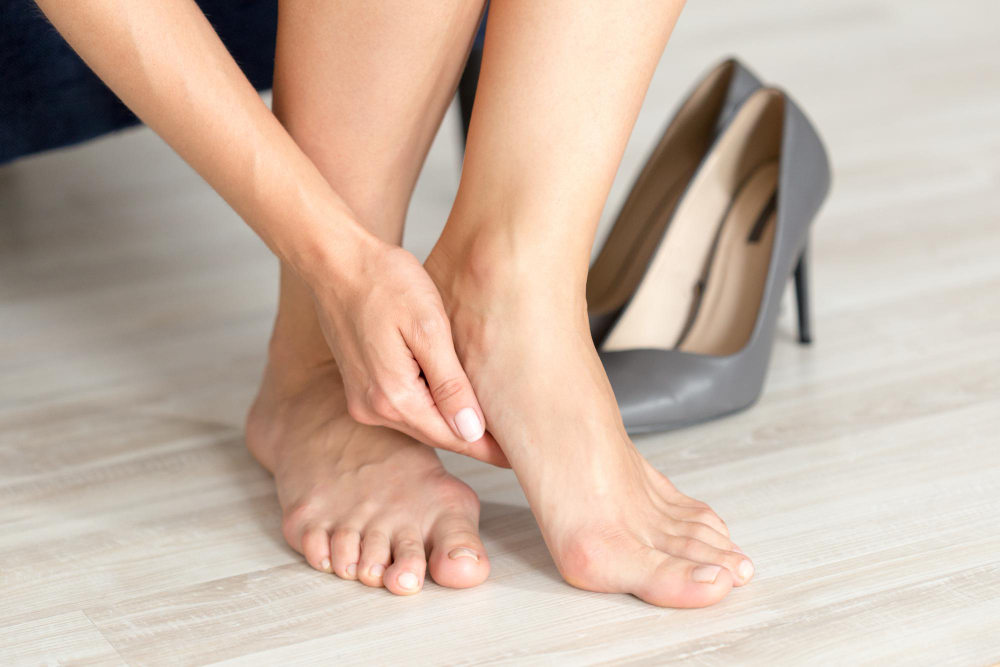
It is worth knowing before getting into flare-ups what a bunion is. A bunion is a lump which occurs when the bones of your foot that are at the front of your foot are out of place, causing the big toe to bend on the rest. The effect of this misalignment is joint swelling, pain, and stiffness.
Although the development of bunions is slow, flare-ups may take place in a short period of time, depending on some triggers.
Common Causes of Bunion Flare-Ups
1. Tight or Ill-Fitting Footwear
Another of the largest triggers is the constriction of the toes with shoes.
- Toes are cluttered with slim or pointed shoes.
- High heels cause pressure on the anterior foot.
- Oversized shoes are irritating.
This continuous pressure aggravates the inflammation and may result in pain rather quickly.
2. Prolonged Standing or Walking
When you are on your feet most of the time (daily), then your flare-ups tend to occur frequently.
- Work involving standing all day puts strain on joints.
- Over walking or running places strain on the big toe.
- Monotony of strain increases swelling.
A bunion is sensitive, and continuous compression of the joint may worsen the condition.
3. Foot Structure and Genetics
Certain individuals are predisposed to bunions.
- Foot biomechanics or inherited foot shape.
- Family history of bunions
- Flattened feet or walking abnormalities.
Actually, research indicates that a high proportion of bunions are hereditary.
4. Inflammatory Conditions
Bunions can become severe in some health problems.
- Rheumatoid arthritis
- Disorders of joint inflammation.
- Autoimmune diseases
The conditions make the flare-ups more common and painful as they cause swelling of the joints.
5. Excess Weight
Additional body weight imposes extra stress on your feet.
- Pressure on the toe joint.
- Higher risk of inflammation
- Increased pain quickly in the bunion.
Any weight change, even small changes, may affect foot health tremendously in the long run.
6. Foot Injuries or Trauma
Autonomous bunions may cause or cause flare-ups of previous bunions.
- Sprains or fractures
- Repeated stress injuries
- Poor healing alignment
A foot injury may cause loss of the normal location of joints and sensitivity.
7. Lack of Proper Support
Symptoms may be aggravated by the use of unsupportive footwear or walking about with no shoes.
- Pressure builds due to the absence of an arch support.
- A lack of cushioning is associated with irritation.
- The misalignment is further intensified.
Cushioned shoes assist in the even distribution of pressure and strain.
What Happens During a Flare-Up?
A flare-up of a bunion usually consists of:
- Redness and swelling of the joint.
- Sharp or throbbing pain
- Problems with ambulation or shoebearing.
- Increased toe stiffness.
This occurs as the joint is inflamed, and the tissues around it will be irritated by the pressure or friction.
How to Prevent Bunion Flare-Ups
Although bunions are not reversible, surgery is not possible, and, therefore, flare-ups can be controlled:
- Wear shoes with a wide toe box
- High heels and tight shoes are to be avoided.
- Apply orthotic inserts to support.
- You should take a rest when you are in pain.
- Use ice to induce inflammation.
- Maintain a healthy weight
Minor lifestyle modifications can help greatly decrease the number of flare-ups and the impact of these outbursts.
When Should You See a Doctor?
You need to contact a specialist in case:
- The pain may become permanent or acute.
- The bunion disrupts the day-to-day activities.
- You experience decreased mobility in your toe.
- Home care does not help in reducing swelling.
Certain complications can be avoided with early medical intervention, which can enhance the quality of life.
Get Expert Care for Bunion Pain
In case you have difficulties with the recurrent flare-ups of the bunion, professional consultation will help you. Personalised treatment plans and advanced diagnosis of the podiatry specialists at Magnet Health NY help to ease the pain and enhance mobility.
They have conservative care, custom orthotics, and professional advice, so their staff can help you learn to deal with bunions. Do not overlook foot pain; it is possible to eliminate problems in the long run by treating them early.