

Among the most essential good health pillars, sleep is important but many millions of individuals are deprived of rest. The abnormal phenomenon of sleep disorder may cause sleep cycle disruption, fatigue, poor concentration, mood, and health-related complications in the long run. Sleep problems should also be treated as a symptom of underlying sleep disorder when they continue to persist.
Learning about the most prevalent sleep disorders, their manifestations, and treatments available would allow people to identify possible issues at the initial stage and address them. Throughout this article, we will discuss the diagnosis of common five sleep disorders and how to treat them and also what you can do to enhance your sleep health.
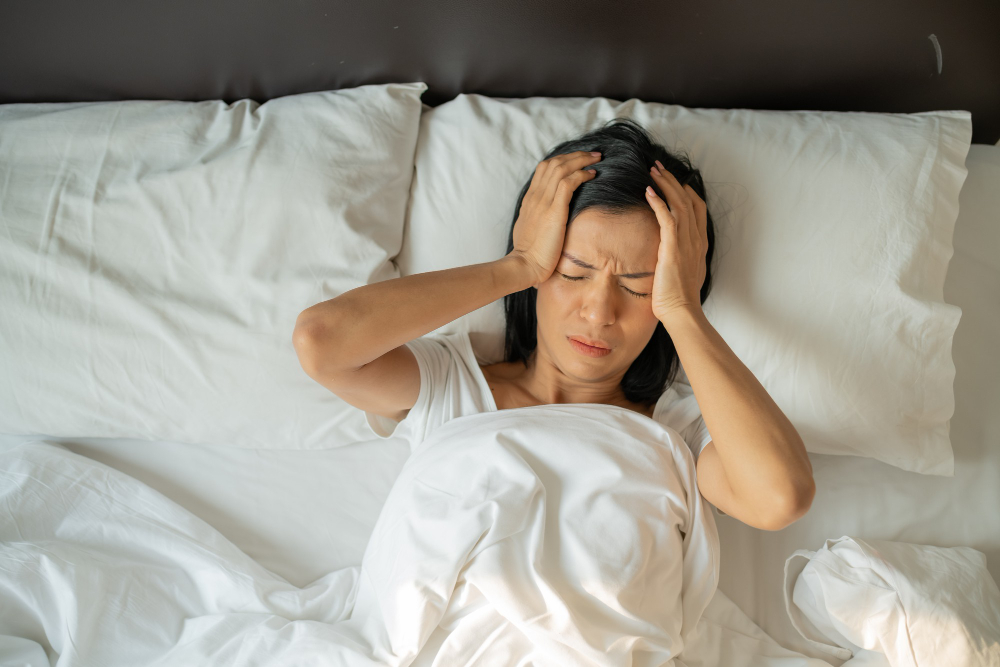
Diagnosis and Treatment of the 5 Most Common Sleep Disorders
1. Insomnia
What is Insomnia?
The most widespread sleep disorder is insomnia which is a condition that is marked by the inability to sleep, remain asleep or wake up too soon and not being able to sleep again. It may be both short-term (taking several days or weeks) and chronic (taking several months).
Common Symptoms
Problems with sleeping during the night.
Waking up every couple minutes.
The early morning of the day woke him up too soon.
After sleeping they feel tired or unrevitalized.
Drowsy and peevishness during the day.
Difficulty enhancing concentration or remembering information.
Diagnosis
Insomnia is normally diagnosed through the review of a patient on the history of his sleep, lifestyle habits, stress levels, and even the medical conditions. Sleep study may be ordered in rare instances to eliminate other sleeping disorders.
Treatment Options
The Cognitive Behavioral Therapy of Insomnia (CBT-I)
Relaxation and managing stress.
Restricting screen time, alcohol, and caffeine intake before sleep.
Creating a routine sleeping habit.
Short- term sleeping drugs were needed.
2. Sleep Apnea
What is Sleep Apnea?
Sleep apnea is a severe sleep disorder in which breathing pauses and then restarts at intervals. The most prevalent one is obstructive sleep apnea, which occurs when muscles in the throat relax and block the airway.
Common Symptoms
- Loud snoring
- Interruptions in breathing when one sleeps.
- Gasping or choking at night
- Morning headaches
- Sleepiness Excessive during the day.
- Difficulty concentrating
Diagnosis
A sleep study, also known as polysomnography, is the standard method for diagnosing sleep apnea. This test tracks respiratory rate, oxygen saturation, heart rate, and brain activity as one sleeps.
Treatment Options
- Continuous Positive Airway Pressure (CPAP) therapy(CPAPT)
- Airflow preserving oral devices.
- Educations on changing lifestyles, including exercise and weight loss.
- Staying off alcohol and drugs in the evening.
- Surgery in severe cases
3. Narcolepsy
What is Narcolepsy?
Narcolepsy is a neurological condition that is associated with a problem in controlling the sleep and wake transitions of the brain. Narcoleptic individuals can fall asleep during the day, and even when they are in the middle of what they are doing.
Common Symptoms
- Explosive overnight drowsiness.
- Extreme daytime sleepiness
- Sleep paralysis
- Colorful imaginary hallucinations
- Cataplexy (sudden weakness of the muscles inspired by emotions)
Diagnosis
Physicians can conduct night sleep tests and daytime napping tests to determine the speed at which an individual falls asleep and enters REM sleep.
Treatment Options
Although narcolepsy has no permanent cure, symptoms can be managed with:
Though there is no permanent cure of narcolepsy, the symptoms can be treated using:
- Prescription medications
- Scheduled daytime naps
- Best practices of sleep hygiene
- Habitual modifications to remain on the alert.
4. Restless Legs Syndrome (RLS)
What is Restless Legs Syndrome?
Restless Legs Syndrome is a condition in which the legs need to move too much, particularly when one is resting or sleeping. It has a tendency to interrupt falling sleep and sleep.
Common Symptoms
- Painful, creepy, or itching pains in the leg.
- Compulsive desire to swing the legs.
- Nocturnal exacerbation of symptoms.
- Relieving a problem whenever walking or by stretching.
Diagnosis
Physical examination, medical history, and symptoms are frequently used by doctors to diagnose RLS. Blood tests can also, in certain circumstances, be done to test for iron deficiency or other related disorders.
Treatment Options
- Drugs that regulate nerve communication.
- Iron supplements in case of iron deficiency.
- Control through regular body exercises and stretching.
- Reducing caffeine intake
- Having a regular sleeping schedule.
5. REM Sleep Behavior Disorder
What is REM Sleep Behavior Disorder?
During usual REM sleep, the muscles in the body go loosely relaxed to prevent people from acting out their dreams. This paralysis is not experienced in REM Sleep Behavior Disorder (RBD), in which people physically act out what they are dreaming.
Common Symptoms
- Sleep talking, shouting,/ laughing.
- Kicking, punching, or violent gestures.
- Slipping down off the bed in a dream.
- Damage to the sleeper or his spouse.
Diagnosis
The diagnosis of RBD is made using sleep tests and a neurological examination, based on observation of muscle activity during REM sleep.
Treatment Options
- Drugs against abnormal movements.
- Somewhat safer sleeping is provided.
- Eradicating sharp materials around the bed.
- Protective barriers should be used where necessary.
Conclusion
Sleep disorders may pose a significant threat to overall health, productivity, and quality of life. A few of the most widespread problems in the world in relation to sleep include insomnia, sleep apnea, narcolepsy, restless legs syndrome, and REM sleep behavior disorder.
The positive thing is that most of them are treatable through appropriate diagnosis, treatment of the diseases, lifestyle changes, and better sleep.