
A food allergy is an immune response to the almost harmless food protein in the body of a child. Normally, the immune system would just digest the food, instead of treating it as if it were invading the body and responding as a threat. This could be anything from a simple rash to a dangerous and potentially fatal reaction. Unlike in adults, food allergies are more prevalent and usually start in infancy or early childhood.
What Causes Food Allergies?
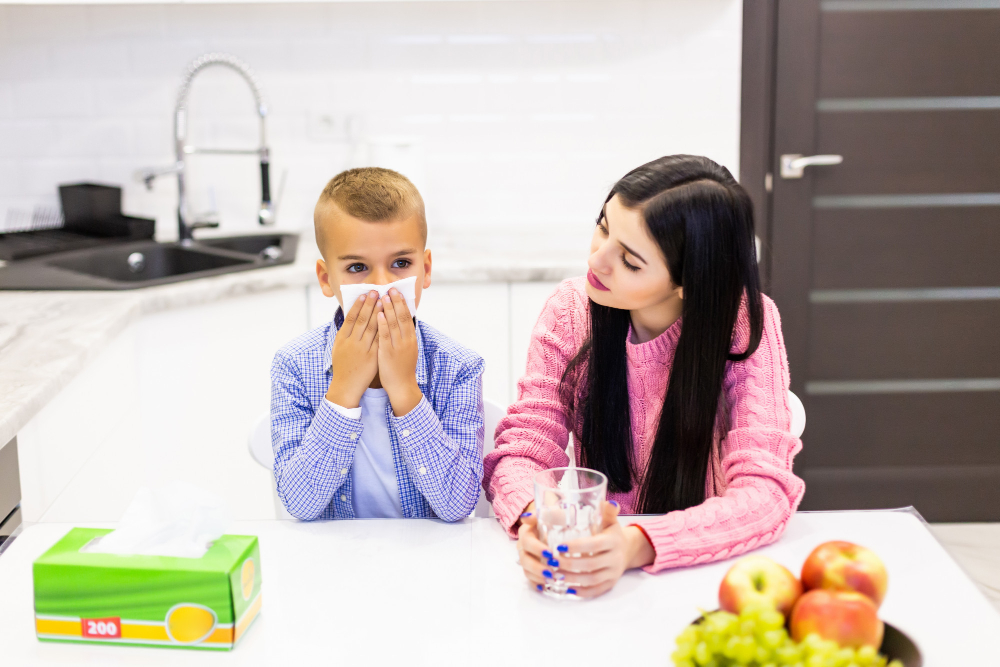
Food allergies are fundamentally an immune response. A child that has food allergies has an immune system that falsely identifies a protein from the food as dangerous and as a result many chemicals including histamine are released into the system, leading to allergy symptoms. This reaction can occur even with lesser amounts of food.
There are not really any strict rules about when allergies appear or why some children have them and others do not, but a family history of allergies increases the risk, as do other associated allergic conditions such as eczema and asthma. In most instances, children having a family history of allergic or allergic illnesses are at greater risk.
Some common big-trigger foods include:
- Milk
- Eggs
- Peanuts
- Tree nuts
- Soy
- Wheat
- Fish and shellfish.
- Sesame
The following foods are the most common causes of allergies in children.
Signs you should watch out for and symptoms
Symptoms occur anywhere from minutes to a few hours after ingestion of the offending food. And remember, every kid reacts differently! What is a mild symptom in one kid might be severe in the next. Common reactions include:
- Skin reactions
- Hives or welts
- Red, itchy rash
- Swelling of the face or lips
- Digestive problems
- Stomach pain
- Nausea or vomiting
- Diarrhea
- Respiratory and throat issues
- Coughing
- Wheezing or trouble breathing
- Itchy or runny nose
- More serious reactions
- Feeling light-headed or dizzy
- Drop in blood pressure.
- Loss of consciousness
In rare but serious cases, these reactions can cause you to go into anaphylaxis. This is sudden and serious. It causes narrowing of your airways, lowers blood pressure, and alters how you breathe. Anaphylaxis needs immediate medical treatment.
Keep in mind that babies will do different things. In infants and toddlers, watch for signs like lots crying, above-average fussiness, rubbing at the eyes or problems with feeding immediately after eating the problematic foods.
How Doctors Diagnose Food Allergies
Home is where allergies are primarily noticed. Parents may observe that symptoms occur soon after eating specific food. One way to identify potential triggers is to maintain a food and symptom journal.
A doctor at the clinic will ask questions and take specific details about the events leading up to when the symptoms started. They will usually conduct a physical examination and can further specify the offender using allergy tests. These tests include:
Skin prick tests: A few droplets of food extracts are put on the skin (often on the forearm or back). With sensitivity, it will become a raised bump.
Blood tests —These tests assess levels of certain antibodies associated with food allergies.
At times, particularly when the diagnosis is not clear-cut, the physician refers you to an allergist. An allergist can conduct more specific testing and sometimes supervise food challenges under carefully controlled conditions.
Treatment and Management
The best method to avoid food allergies is by diagnosis. That is, as in the offending food, you must remove it completely from the child’s diet. Understanding labels and sharing this knowledge with caregivers, educators, and family members is essential.
Antihistamines: to alleviate itching or hives in mild reactions. But they do not do well for severe reactions. First-line treatment for anaphylaxis: Epinephrine. If children have known food allergies, they should always carry a prescribed epinephrine auto-injector and have an action plan.
Oral immunotherapy is a new treatment that has just been used some years recently by doctors for some children. This means slowly exposing the person to minimal amounts of the food that causes the allergy over a period so their immune system becomes accustomed to it. This is done under a health supervision and is not suitable for every child.
Outgrowing Food Allergies
The bright side though is that some food allergies go away with time, usually as they get older. Common food allergies like milk, eggs, wheat, and soy tend to be outgrown in childhood. Peanut or tree nut allergies may not go away as the child grows.
Tips for Everyday Management
You can make day-to-day living a little bit safer and easier for you and your child with things like:
- Checking food labels each time you shop
- Cook from scratch whenever you can, so that you can avoid hidden allergens.
- Making sure that schools, babysitters, and family know the child has allergies and communicating effectively about what this means.
- Crafting an emergency plan with your child’s doctor.
- A written allergy action plan helps make sure everyone understands what to do if a reaction occurs.
Supporting Your Child’s Allergies with Expert Care
For any parent seeking mindful, kid-centered food allergy care, the Magnet Health pediatric team has your back. They assist families in identifying triggers, offer coaching on testing, and create personalized actionable plans for managing your child with allergies as part of your family’s lifestyle. Their team collaborates with parents to respond to inquiries and guide confident, safe, feeding decisions Find out more at magnethealthny.com.
To speak with a pediatric specialist, contact us and set up an appointment.
Dealing with food allergies can be daunting, however with the right education and support you can keep your child safe and healthy. A prompt diagnosis, open dialogue, and an individualized care strategy can help children with food allergies flourish.