

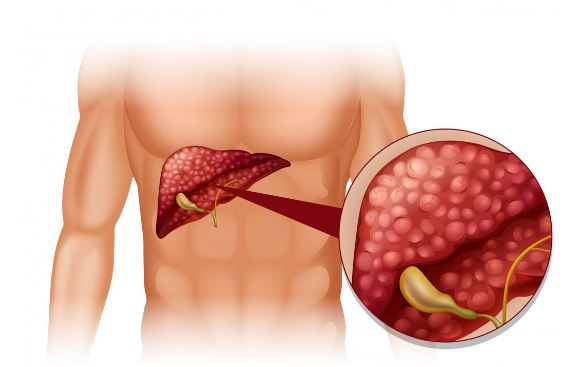
Non-alcoholic Fatty Liver Disease, or NAFLD, is a common health issue in overweight and obese individuals. One’s risk of developing the condition also increases if he or she has hypertension, high blood cholesterol, and type 2 diabetes.
Diagnosing the problem from symptoms becomes difficult as patients often don’t develop them before the disease progresses. Doctors recommend certain tests if they suspect (after checking other test results or from physiological symptoms) the occurrence of NAFLD to confirm the diagnosis and begin treatment quickly.
NAFLD Diagnosis
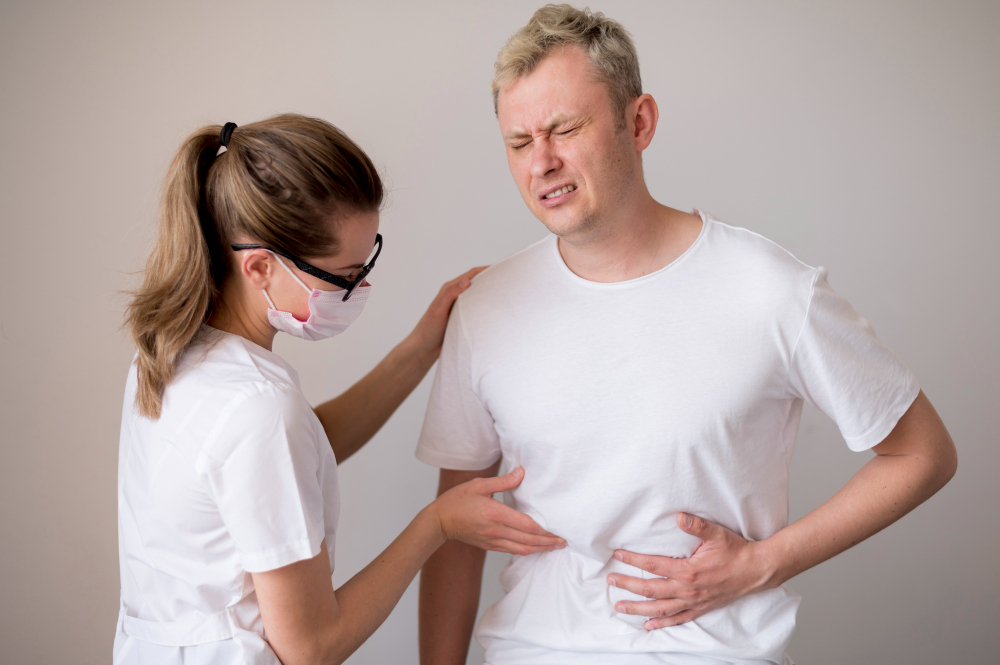
The process of NAFLD diagnosis typically involves a series of blood tests and scans. However, before prescribing any of those tests, the general physician enquires about the patient’s alcohol drinking habits. Knowing the quantity of alcohol the person drinks every week is crucial for eliminating the chances of alcoholic fatty liver disease. The course of treatment of alcoholic fatty liver disease is different from that of its non-alcoholic variant.
For suspected NAFLD, the diagnostic tests are prescribed to achieve the following:
- Find out whether there’s fat build-up in the patient’s liver
- Find out the extent of liver damage
- Rule out the possibilities of other types of liver diseases
- Determine whether the patient has other health disorders linked to NAFLD, for instance, kidney issues
Blood Tests :The doctor may prescribe a few or all the following tests:
- Liver function test to know the levels of various liver enzymes
- Blood sugar test (usually fasting)
- A1C tests to find out the changes in blood sugar level over the past three months
- Complete hemogram or blood count analysis
- Tests to detect chronic viral hepatitis (particularly Hepatitis B and C)
- Tests to detect celiac disease
- Lipid profile to determine blood cholesterol levels
Imaging Tests: Commonly prescribed imaging tests for detecting NAFLD are as follows:
- Abdominal USG (ultrasonography) is usually the first imaging test prescribed to detect NAFLD.
- If the doctor feels that the patient may have an advanced fatty liver disease or the disease has progressed to liver cirrhosis, he may prescribe a CT scan (computerized tomography or MRI (magnetic resonance imaging) of the abdomen.
- These days, doctors often use a test called transient elastography to determine how stiff the diseased liver has become. Here, you must note that growing stiffness of the organ indicates the presence of scarring.
Liver Biopsy: Liver biopsy is usually prescribed if the above tests fail to deliver clear results. At times, doctors also use this test to manage progressive fatty liver disease better.
During the biopsy, a tiny piece of liver tissue is removed by passing a needle through your abdominal wall. The collected piece of tissue is then checked in the laboratory for signs of scarring and inflammation. Doctors use the findings to understand how much damage your liver has incurred due to NAFLD. However, as liver biopsy can cause certain levels of discomfort in the patients, medical practitioners tend to prefer other non-invasive imaging procedures over it.
NAFLD Treatment
Medicines: There are just a couple of medicines that are known to treat NAFLD. They are Semaglutide and Rezdiffra. Studies have shown that these medicines can reduce fat deposits in the liver and scarring of the organ in patients with moderate to severe liver scarring. However, if the disease progresses to cirrhosis, which is an irreversible condition, these medications don’t work. Liver transplant is the only available treatment for cirrhosis.
Other than the above medications, your doctor might advise you to take iron, niacin, and vitamin A supplements. Getting vaccinated for hepatitis A and B is also crucial to avoid liver failure.
Lifestyle Changes : When the disease is in its first two stages, doctors advise patients to reverse the disease through lifestyle modifications. They are advised to lose weight and change certain dietary habits. Here’s what an individual with NAFLD must do to reverse the condition.
Exercise Regularly : Performing cardio workouts of any form helps in eliminating body fat and induces weight loss. This automatically reduces fat deposits in our liver and helps reverse NAFLD.
You can go for a brisk walk (a 30 to 40-minute session of brisk walking is usually enough) every morning or evening. To be precise, doing any kind of cardio will show results after a couple of months. You can choose walking, running, cycling, swimming, or rowing, based on your fitness levels.
Eat Healthy and Reduce Overall Calorie Intake : Your meals must include food items with great nutritional value. Consume fruits, whole grains, vegetables, legumes, beans, etc. Stay away from foods that are rich in saturated fats. These include fried foods, packaged foods, fast foods, juices, soda, sweetened tea, etc. Also, avoid consuming red meat and dairy products. Try to use olive oil for cooking. A cup of black coffee is another must-have when you are trying to beat non-alcoholic fatty liver disease.
When you need to lose weight to reverse NAFLD, you must track your daily calorie intake. Portion control and including green veggies in your diet will help you reduce the number of calories in your meals without staying hungry.
- Reduce Salt Intake: Stop eating packaged foods, as they contain excess salt. Also, limit the amount of salt you sprinkle on your salads and soups.
- Keep Your Blood Sugar and Cholesterol Levels Normal: Check your blood sugar and cholesterol levels regularly to ensure they are within the normal range. Your doctor will help you achieve this through medications, diet, and exercise.
If you have non-alcoholic fatty liver disease, you need comprehensive medical care to recover. The team of medical experts at Magnet Health NY can provide you with just that. All you will need to do is contact them and share your symptoms and existing medical reports. They will plan a perfect course of treatment for you and ensure that the condition is reversed quickly.