


Yes, irritability is a common sign of anxiety.
Irritability is a mental state (often manifested by physical symptoms) characterized by feelings of frustration, anger, displeasure, and impatience. People experiencing this problem tend to react strangely due to minor triggers. Irritability can have different causes. One of the most common among them is anxiety. This write-up discusses the link between anxiety and irritability and informs readers about ways to manage anxiety-induced irritability.
How Will You Know That You Have Irritability?
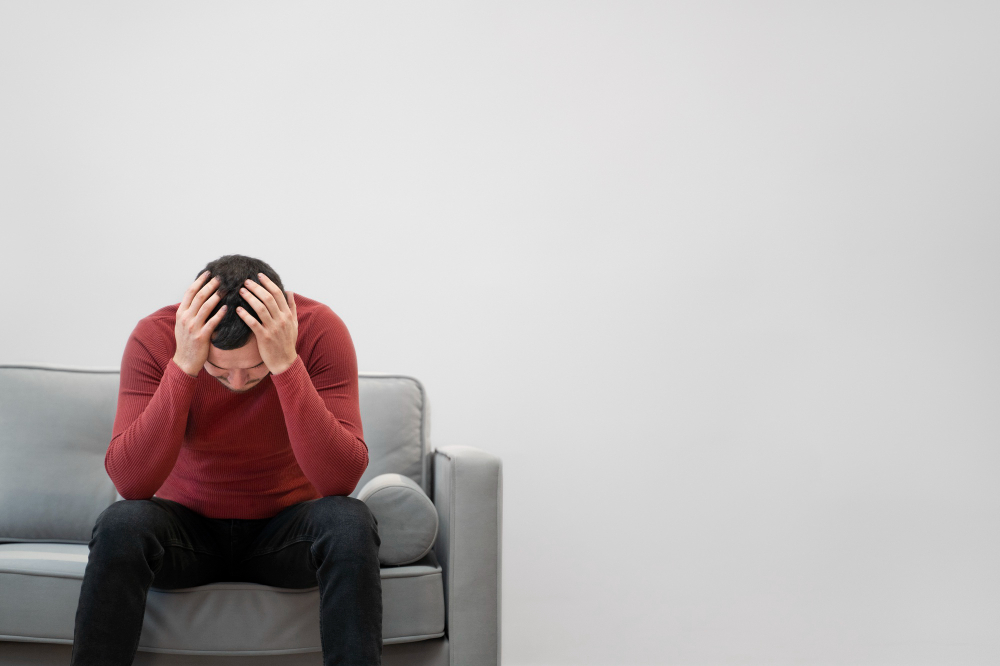
You should look for certain symptoms to confirm that you are experiencing irritability. These are:
- Sudden loss of temper
- Extreme restlessness
- Lack of concentration
- Oversensitivity
- Moodiness
- Muscle tension and fatigue
- Sweating and rapid heartbeat
- Aggression
- Social withdrawal
- Sleep deprivation
You should visit a physician if you frequently experience one or more of the above symptoms. Your doctor is the best person to decide whether you are experiencing irritability due to anxiety or any other mental or physical disorder.
About Anxiety-Induced Irritability
Anxiety is a state of constant tension and worry. These mental conditions can lead to irritability and make people suffer from various mental and physical symptoms. Here’s how anxiety triggers irritability:
Mental Fatigue: When you keep worrying about something and find it difficult to focus on day-to-day activities, you experience emotional exhaustion. This change reduces your capacity to handle emotions.
Extreme Alertness: Individuals with anxiety disorder stay in a state of extreme alertness 24/7 (even when they sleep). If this continues for several days, the patient starts experiencing anger and irritability. Things become worse in situations that make them feel trapped or threatened.
Physical Exhaustion: Anxiety often leads to debilitating physical symptoms like muscle tension, stomach aches, headaches, etc.You may also become more likely to snap at others. These are all signs of irritability.
When you are anxious, you become less tolerant to additional stress, which results in the above changes. Irritability is more common in severe cases of anxiety than in cases involving minor anxiety symptoms. Anxiety disorder compels your mind to have worrisome thoughts that are often baseless. This will make it extremely tough for you to cope with your everyday life.
According to experts, when a person has anxiety, he or she needs to try hard to feel happy even when there are real reasons to be happy. For instance, suppose your child has performed extremely well in an exam. Instead of being happy for what the kid has done, your anxiety disorder will force your brain to think about how difficult it would be for the little one to maintain this academic performance. This baseless thought will make you anxious about your child’s future, and eventually, you will develop irritability.
Professional Treatment for Anxiety-Induced Irritability
If you know that you have anxiety, you should consult your psychologist the moment you identify the first sign of irritability. Seeking professional help at the right time will prevent the worsening of symptoms. Here are the common treatment procedures medical professionals use to manage anxiety-induced irritability:
1. Psychotherapies
- CBT or Cognitive Behavioral Therapy: Psychologists use this talk therapy to stop patients from engaging in unhelpful, baseless thinking and behaviors. CBD focuses on establishing a connection between an individual’s thoughts, moods, and actions and teaches useful coping skills.
- DBT or Dialectical Behavior Therapy: This one is a version of CBT. Experts describe it as an evidence-based talk therapy. DBT teaches anxiety patients the art of managing emotions, enduring distress, and maintaining normal behavior.
- ACT or Acceptance & Commitment Therapy:ACT helps anxiety patients become more flexible psychologically. They learn to accept difficult feelings and thoughts and commit to actions that match their core values. As ACT eliminates the need for fighting distressing inner thoughts, anxiety patients stop experiencing irritability.
2. Medications:
Your doctors may also prescribe a few medications to manage irritability and underlying anxiety. You may need to consume SSRIs like Escitalopram and Sertraline to manage chemical imbalances in your brain. Some doctors may prescribe SNRIs such as Venlafaxine.
3. Lifestyle Changes
For the above treatments to work, you must change your lifestyle significantly.
- Your daily routine must include at least 30 to 40 minutes of exercise. Exercise boosts the production of endorphin, the hormone known to trigger happiness.
- You cannot bid a goodbye to irritability if you don’t prioritize sleep. You must sleep for eight to 10 hours (the duration varies depending on your age) every night to see your anxiety symptoms go away. Also, maintain a consistent sleep routine.
- Eating healthy is also crucial when dealing with irritability. Your meals must include fish, whole grains, vegetables, and fruits.
- Stay away from substances like alcohol, nicotine, recreational drugs, and even caffeine, as they can worsen your anxiety symptoms further.
You should not wait much if you (or any of your loved ones) are already suffering from irritability. Contact the help desk of Magnet Health NY and share your symptoms. The experts will book your appointment immediately