

Astigmatism and dry eyes are two of the most prevalent eye-related conditions, and despite being quite different, to be present in an individual at the same time poses a singular sequence of challenges. Although one is a refractive error of the eye, you Made be a Disorder in the tear film, one often plays off the other with both causing increased discomfort and vision fluctuations.
Knowing how they interact - and how to manage them together – is crucial for maintaining clear sight and long-term eye health.
Understanding Astigmatism
Astigmatism happens when the cornea, which is the flawless skin from the front part of an eye or/and internal lens have abnormal shape. An eye with astigmatism is not perfectly round, like a basketball, but is curved more like a football. This abnormal shape prevents light from coming to a single focus on the retina, resulting in blurred vision at all distances.
Symptoms of Astigmatism
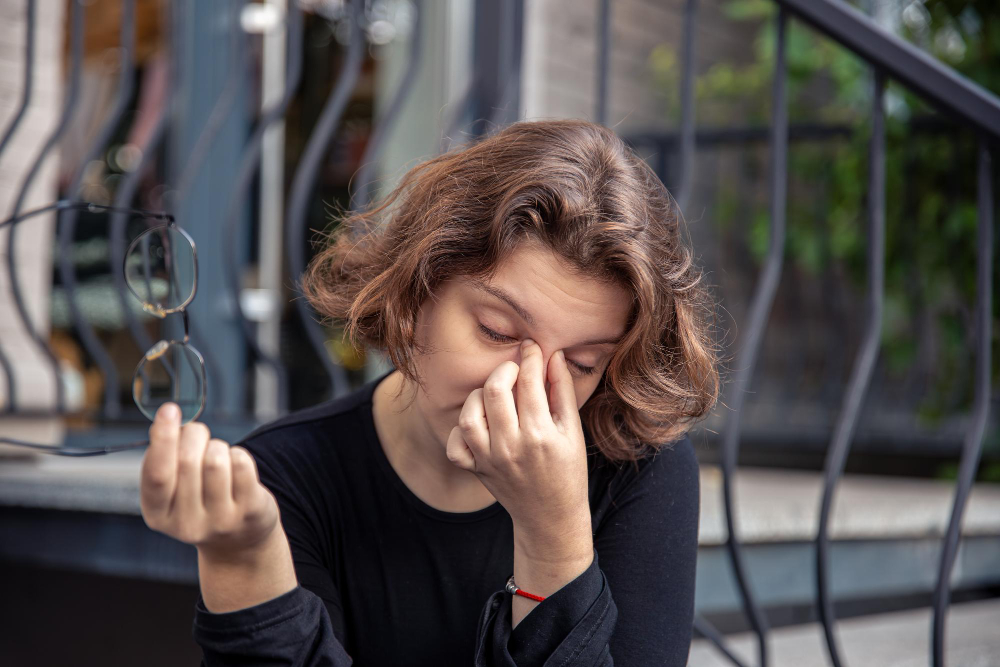
Patients with astigmatism frequently describe that everyday things like lines that supposed to ordinarily remain straight, instead appear crooked. Seems blurred or double when focusing on trivial things like letters and numbers on a screen. To clear up that blurring, many people are squinting more – and suffering from secondary effects such as eye strain and tension headaches.
Causes and Types
Many cases of astigmatism are genetic, so you’re born with the potential. But it can also result from an eye injury, surgery, or conditions such as keratoconus. It is categorized as:
- Corneal Astigmatism: The irregular curvature of the cornea.
- Lenticular Astigmatism: A distortion in the shape of the lens inside the eye.
- Regular vs. Irregular: Regular astigmatism is very typical and correctable, even with spectacles; however, irregular astigmatism (usually scarring) may need more specialized treatments.
Understanding Dry Eyes
Dry eye syndrome (DES), also known as dry eye disease, is a condition in which your eyes do not produce enough tears or the right quality of tears that are needed for good vision. This then leaves the eye surface exposed and inflamed.
Symptoms of Dry Eyes
The gritty or “sandy” sensation is the classic dry eye symptom. You may have burned, redness, or be sensitive to light. Curiously for many people excessive watering is similarly problematic; the eye sends a “distress signal” and you get more lubrication, but it all consists of water rather than the necessary oil that makes tears stay put on your eye.
Common Causes
We all produce less tears as we get older. Dryness can be exacerbated by hormonal shifts, environmental causes (like air conditioning and wind) and systemic medications (think antihistamines). The up-to-the-minute “digital lifestyle” – which causes us to look at screens and not blink – is also a major driver of evaporative dry eye.
The Hidden Link Between Astigmatism and Dry Eyes
Astigmatism and dry eyes often go together in a “cycle of discomfort.” Since the corneal surface is irregular in shape, the tear film may not spread uniformly over the eye. This creates areas that become dry, further changing the way light enters the eye and making the blurry vision caused by astigmatism feel even worse.
On the other hand, inflammation induced by dry eye can cause a temporary alteration in the cornea’s front surface, generating “pseudo-astigmatism” or as if your prescription seems less stable. When vision changes during the day, dryness is frequently combating your refractive error.
Managing Both Conditions Together
The successful treatment of this spectrum involves treatment on two fronts, both the physical form that the eye takes (which can be found by our readings) as well as overall health of the tear film.
Choosing the Right Correction
For a lot of people, glasses are the most comfortable because they do not touch your eye. But if you prefer to wear contact lenses, Toric contact is made especially for astigmatism. There are also daily disposable lenses that are recommended for people who have dry eyes, so you are getting a fresh wet surface on the eye each morning.
Lifestyle and Home Care
Slight changes can bring substantial relief:
- The 20-20-20 Rule: Look at something twenty feet away every 20 minutes for 20 seconds to promote blinking.
- Heat: Applying heat to the eyelids help melt the oils in the Meibomian glands enhancing tear quality.
- Hydration and Nutrition: Drinking more water and taking in Omega-3 fatty acids (from fish oil) can help your body maintain a stable lipid layer within your tears.
- Environmental modifications: Use a humidifier in your office or bedroom, working to keep the air moist.
Advanced Treatment Options
Should naturally remedies and lifestyle changes not be sufficient, there are several options available in high-tech optometry:
- Punctal Plugs: Small inserts that restrict tear drainage, allowing your natural moisture to remain on the eye for longer.
- Scleral Lenses:These large-diameter, custom-fit lenses that “vault” over the cornea produce a reservoir of fluid for your eye.
- In-Office Treatments: The cause of some gland problems can be treated with procedures such as IPL (Intense Pulsed Light), or thermal pulsation.
Complete Eye Care in NY
If you find yourself experiencing both irritation and dryness, real relief is just around the corner. At Magnet Health, we offer in-depth eye exams designed to manage any confusion about astigmatism or dry eye syndrome. Our skilled in-house team employs the most advanced diagnostic equipment available to develop an individualized treatment plan that suits your lifestyle. And when your eyes are tired and strained, you cannot perform at your best. Stop suffering the effects of constant exposure to blue light.
Conclusion
It seems that life with astigmatism and dry eyes does not have to be filled with distress. By knowing how your eye’s shape can affect and be affected by its tear film, you can strategically deal with the issue for stabilized vision. Relief is out there, whether it involves special contacts or nutritional support or innovative clinical treatments. Regular follow-up visits to your eyecare practitioner are the best way to prevent either condition from affecting you, and to help you ensure that every day can be a great one because you see clearly and comfortably.