


Irritable bowel syndrome (IBS) is a common disorder that affects the large intestine and causes symptoms such as abdominal pain, bloating, cramping, gas, diarrhea, and constipation, which are usually chronic. A common question among those living with IBS is how long a flare-up will last. Because IBS looks different from person to person, how long a flare-up lasts can vary based on triggers, lifestyle habits, and overall gut health.
Understanding when to expect an episode may assist you in coping with the symptoms better and minimize their interference with your life.
What Is an IBS Flare-Up?
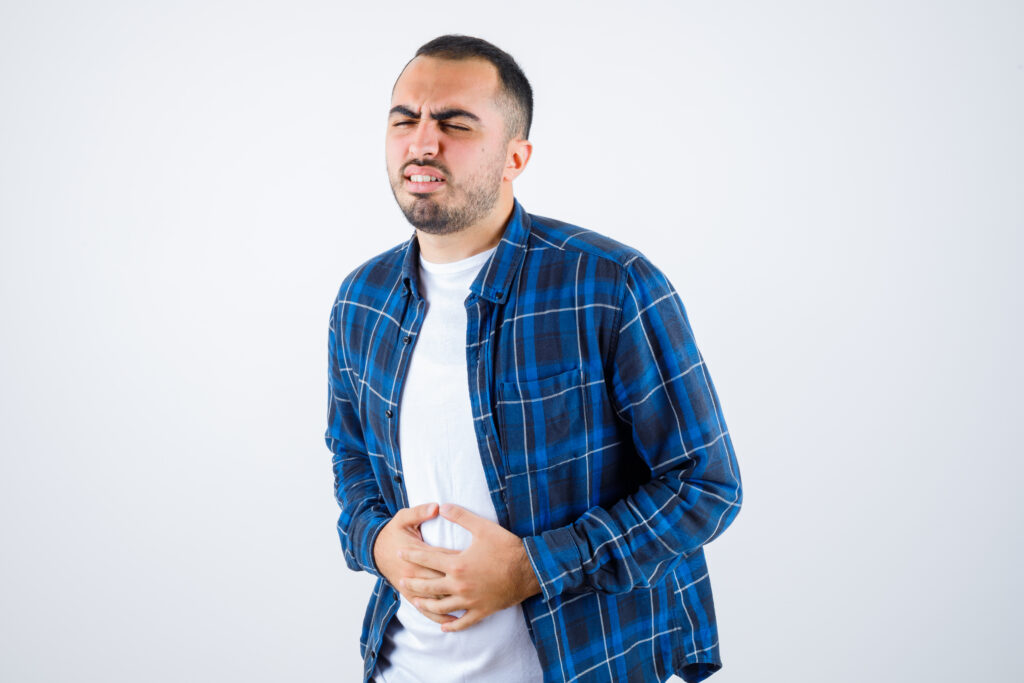
An IBS flare-up suggests an interval when indications all a sudden worsen or grow to be extra intense than common. People may then experience sharp stomach cramps, increased need to go to the bathroom, lots of diarrhea or constipation and visible bloating during these episodes.
These flare-ups occur because IBS alters communication between the gut and the brain. The digestive system becomes reactive, too responsive to some foods or emotional stress or environmental change.
Typical Duration of IBS Flare-Ups
How long does an IBS flare last? This depends on the individual and how much has been triggered.
Short-Term Flare-Ups
A handful of flare-ups last for only hours or a couple of days. Typically associated with transient stimuli including spicy or fatty foods, caffeine, and mild stress.
Moderate Flare-Ups
Flare-ups last from three to seven days for most. This tends to happen in the context of overlapping triggers, such as bad sleep, dietary irritants, and emotional stress.
Long-Lasting Episodes
Flare-ups may linger, however, for days, weeks or even months. This often occurs when IBS is undertreated, when trigger exposure is persistent, or when people have higher accompanying levels of chronic stress, or anxiety.
In summary, IBS flare-ups usually last from two to five days in total, but there is no set time frame, as IBS is a chronic condition that comes and goes at random.
Specialized Gastroenterology Care for IBS
When flare-ups occur often or last a long time, professional medical treatment can help a lot in managing the symptoms of IBS. With the help of gastroenterology specialists at Magnet Health, each treatment plan is customized to the patient and what specific triggers affect their unique digestive patterns. They offer complete care, such as sophisticated testing, nutrition advice, and targeted therapeutic approaches to help reduce flare-ups and improve long-term gut health.
What Affects the Duration Of Flare-Ups?
There are a number of critical elements which impact how long and how bad IBS episodes become.
Dietary Triggers
Some specific foods can trigger the digestive tract and extend flare-ups. Some examples of common trigger foods are dairy products, fried foods, caffeine, processed foods, artificial, sweeteners and high-fat meals. Even knowing what these food triggers are for you personally and avoiding them can reduce the duration of your symptoms significantly.
Stress and Emotional Health
The flare-ups of Irritable Bowel Syndrome are heavily dependent on the stress levels. Problems of emotional tension, anxiety, lifestyle changes can lead towards increase of gut sensitivity which can also make recovery slow. Because of the strong link between the gut and the brain, any psychological stress will usually result in even louder digestive symptoms.
Sleep Quality
Not getting enough sleep can throw digestive functioning off and can also lead to increased inflammation in the body, which can prolong flare-ups.
Hormonal Changes
For some females, hormone changes —especially around the time of their periods— affect the length and duration of movements in the intestines and prolong their IBS symptoms.
IBS Type and Severity
IBS is classically described as being diarrhea-predominant (IBS-D), constipation-predominant (IBS-C), or mixed (IBS-M). What long IBS flare-ups last varies depending on the specific type and severity of the syndrome.
Reducing how long IBS flare-ups last
While there is no permanent solution to IBS, with diligent care, a flare-up can be managed and shortened.
Second, eat healthier foods and foods that spark the problem consume lots of water and control pressure/work exhaustion or normal exercising and smaller-sized portions during the day. Others find relief from dietary methods like low-FODMAP diets that limit fermentable food intake.
On a therapeutic note, medicinal treatment ought to be performed for all intents and purposes if fundamental for overseeing bowel activity, diminishing cramping, and help with absorption.
When to Seek Medical Help
IBS is not dangerous to life, but you should see a doctor if your signs are intense or strange. People should see a doctor if a flare lasts for more than a few weeks, if they are unable to perform daily activities, if they are losing weight for no reason, or if they notice blood in their stool or experience constant pain.
An accurate diagnosis also means that symptoms cannot be attributed to other digestive disorders like inflammatory bowel disease or infections.
Conclusion
The duration of IBS flare ups vary from individual to individual and are based on their established triggers, lifestyle, and general gut health, lasting as little as few hours or as long as weeks. Even though the ensuing condition is chronic and an unpredictable one, and there are some factors that affect the duration of flareups, you can manage symptoms effectively by following the key points given below. Most individuals with IBS can dramatically improve their quality of life and enjoy much larger windows of freedom between flares with the right dietary, dietary and psychological interventions, and support from a medical professional.