


For most of us, we don’t think about our feet unless something goes wrong — a problem that most can relate to during these wintry months when it feels like your toes will never be free from the constraining barrier of socks and shoes. But the skin of my feet has to put up with pressure, sweat, friction, endless hours inside shoes. As a result, several issues come up on this spot that are more common here than anywhere else on the body. Understanding what they are, why they appear and what can bring relief can save you from long weeks of misery.
For professional guidance on foot and skin concerns, you can explore specialized podiatry and wellness care at Magnethealthny.
Here’s a deeper dive into five problems a lot of people struggle with, and some practical steps you can take to deal with them.
Understanding Why Special Foot Skin Care Is So Important
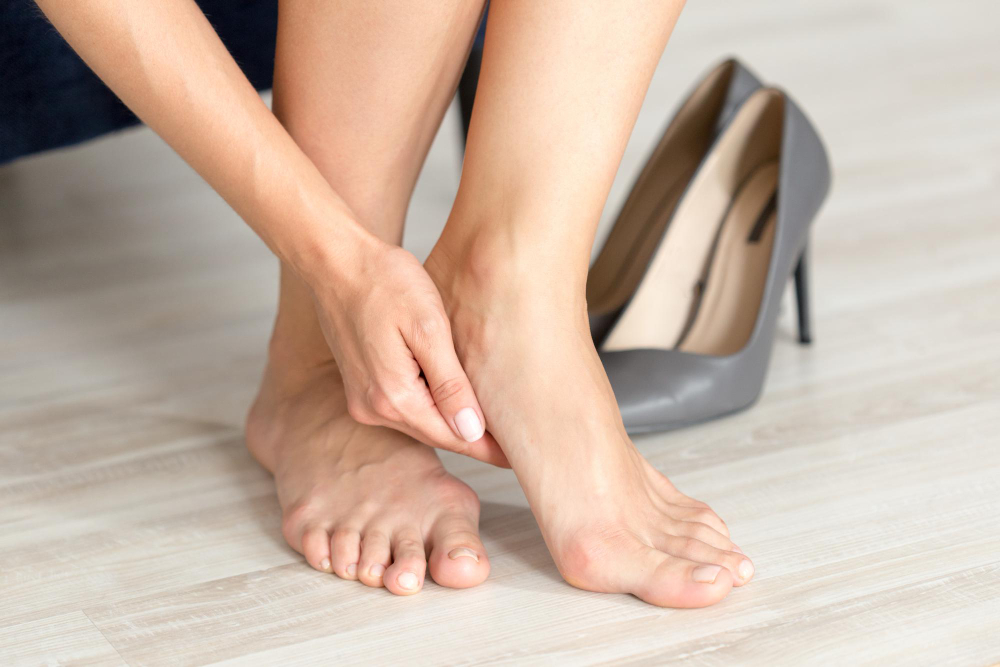
Feet spend the majority of the day in a closed, warm environment. Socks, shoes and daily walking ensnare that heat and moisture. The skin is dry enough, making it more susceptible to fungal infections, cracks, and pressure–induced thickening. Sweat also brings affected skin out of balance, which predisposes the skin to microorganisms. Simple measures work well if problems are detected early enough. They can linger and become painful if left untreated.
5 Common Skin Problems Found on the Feet
1. Athlete’s Foot
Athlete’s foot is a widespread skin problem on the feet. It is caused by a fungus that grows in warm, moist areas. Sweat-soaked footwear, soaking-wet socks, and shared showers all promote growth. Where does the fungus crop up? The fungus usually begins between the toes, where moisture is apt to get trapped.
How It Starts
People usually notice itching first. Skin may become red, peel or appear chalky. Some that are compressed crack and sting. In latter cases, the infection may spread to the side or sole. When someone scratches the area then does not wash, the problem can migrate to the hands too.
Who Gets It
It’s in theory something that anyone can get, but it is more common among gym-goers, swimmers and those with sweaty feet. People who wear the same pair of shoes all day or socks for long periods are at risk, too.
What Helps
- After drying the feet thoroughly following bath, apply body lotion.
- Change your socks when they get moist
- Choose a footwear that is air permeable
- Apply antifungal creams or sprays as instructed.
- After treatment, wash hands to prevent further spread
- If the skin remains inflamed for weeks, or if large areas are affected, medical care may be necessary.
2. Calluses and Corns
Calluses and corns develop in response to pressure. When skin is rubbed or put under pressure repeatedly, the surface thickens to protect underlying layers. Over time, they may also become painful.
How They Look
A callus usually covers a wider area of skin. A corn has more of a solid mash and firmer center that collapses ad infinitum. Both feel rough. When pushed hard on, a corn is usually going to be more painful thanks to that core.
Why They Develop
Ill-fitting shoes are a common cause. Shoes that are tight in the toes, rub against the sides, or move excessively when walking promote friction. High heels cause body weight to be put on the ball of foot hard skin development encourages. They are also more common in people who stand during long work shifts or walk long distances while wearing shoes without cushioned soles.
What Helps
- Let the feet soak in warm water to soften the skin
- With a pumice stone, gently ease down the callus
- Pads or padded inserts can help take some of the pressure off
- opt for footwear that allows space in the toe box
- A podiatrist can remove more stubborn calluses in a safe manner. But if they keep coming back, it could be an issue with gait or posture and a specialist can fix that.
3. Cracked Heels
Cracked heels often begin with dry skin that becomes worse over time. A number of things contribute to our “withdrawing” so much moisture from the skin: hard floors, open backed shoes, cold months and long hot showers. The skin cannot stretch and starts to break once dryness develops.
How They Appear
Heels may appear thickened, rough or yellowish. Small cracks become deep splits that hurt. The cracks can be so severe that they bleed and the area is exposed to infection.
Why They Happen
Heels naturally bear high pressure. When the outer skin becomes dry, it cannot stretch in response to constant changes in shape that occur during walking. Those who stand a lot every day and those who are overweight or have chronically dry skin are more likely to suffer from it.
What Helps
- Apply a heavy cream after bathing
- Wear socks made of cotton while you sleep to allow shoes off does, increase absorption
- Only use a foot file after you have softened the skin
- Minimize walking in bare feet on hard surfaces
When the cracks become deeper or you see signs of an infection, like swelling, warmth or redness, a visit to the doctor is important.
4. Plantar Warts
Plantar warts are caused by a virus that is introduced into your system through small cracks, cuts or other openings in the skin of your feet. While they’re typically harmless, they can be unsightly and cause pain. They commonly grow on the heel or the ball of your foot when pressure forces them to grow inward.
How They Look
Plantar warts typically have a rough surface. A lot of them have small dark dots in them, which are clotted blood vessels. They grow in rather than out, so you typically notice them by the sensation of walking on a pebble.
Where They’re Picked Up
The virus loves warm, humid locker rooms as well as damp floors where bare feet walk. The skin softens with warm water, which creates an opening for the virus.
What Helps
- Small warts can be treated with over-the-counter remedies
- Sometimes a deeper, more severe or resistant case will respond better to medical treatment.
- Do not go barefoot in damp public places
Keep feet clean and dry
Doctors can freeze them, apply acid or use any of various other, more focused techniques. You can’t ignore large clusters or painful warts, he adds — they’re ones that can spread.
5. Blisters
Friction forms a gap between these layers of skin and fluid fills the space, leading to blisters. They shield the region all around but may be excruciating.
What Causes Them
The likelihood of blisters increases with new shoes, stiff fabric, long walks, or sweaty socks. Rough-edged sandals or seams inside shoes can also ignite them. Recurring irritation during lengthy hikes or marathon days at a theme park can create blisters.
How They Appear
A blister is either small and clear, in that case it could also be very large and filled with cloudy fluid. It may feel tight or tender. With further friction, the top layer can rip.
What Helps
- Keep the blister intact wherever possible
- Dress with a clean bandage or blister plaster
- Keep the area clean and dry
- Wash gently if it bursts
- Apply gentle cushioning up until the skin is entirely healed
- If blisters persist in the same location, footwear fit or else gait mechanics must be assessed.
Daily Procedures to Protect Your Skin on Your Feet
Little by little one walks far. Here are some easy daily habits that can maintain the skin on your feet strong and smooth, and keep it healthy:
- Dry the feet very well, especially between the toes
- Wear moisture wicking socks
- Instead alternate between pairs of shoes so they dry completely between uses
- Moisturize the heels before bed
- Cut toenails regularly so they don’t put pressure on the skin.
- No bare foot walking in wet public places
- Such habits keep most problems from taking root.
When to Seek Help
Foot skin problems typically begin lightly, but will get worse without treatment. Seek guidance when:
- Pain makes walking difficult
- When cracks worsen or become infected
- if a fungus spreads or doesn’t respond to store products
- Warts multiply or become painful
- Thick skin returns time and again
- The sooner you start treating them, the quicker they heal and the less likely that additional problems will develop.
Conclusion
Healthy feet are essential for daily comfort, and most skin problems can be managed early with simple care and awareness. If symptoms worsen or persist, seeking professional help ensures faster healing and long-term relief.