

It can be a tough moment to see your kid getting a shot. Many parents fret a lot, particularly when they hear different kinds of information about the safety of vaccines. But the fact is, vaccines are given to millions of children every year, and these kids are the ones who get saved from diseases that used to cause a lot of damage.
The vaccines have a weakened or non-functional viral or bacterial component, which helps the immune system to produce protective antibodies against the organism in the future. Immunity is thus made stronger without the child being exposed to the full dangerous side of the disease.
At the core of it, research demonstrates that vaccines are safe, effective, and necessary to prevent diseases that could lead to death. The advantages are far from being equal to just a tiny risk of a few side effects, such as a rise in body temperature, irritability, or temporary soreness at the injection site.
Why Vaccinate Against Diseases That Are Rare Today?
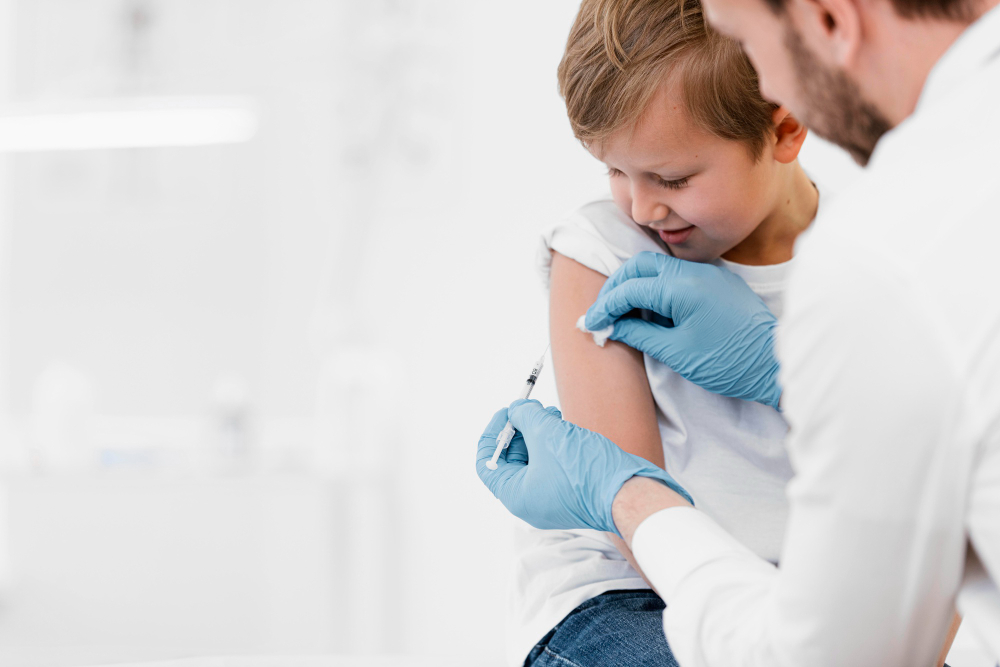
Infections such as polio, measles, and mumps may not be frequently seen in the U.S., but they haven’t been eradicated worldwide. A lot of these diseases are still very much alive in other parts of the world, and people who travel can bring them back into the country without even realizing it.
There are still instances of these diseases when fewer people decide to vaccinate. Since the diseases are very contagious, they can quickly spread among children who have not been vaccinated. At the same time, these children can develop severe complications, may need hospitalization, and even risk dying.
It is necessary that 90–95% of the people are immune to the disease through vaccination or past infection to be able to keep the communities safe. The term herd immunity, used to describe this situation, is a kind of protection for the most vulnerable, e.g., babies, elderly people, or individuals with a compromised immune system.
Do Vaccines Cause Serious Side Effects?
The majority of children will have a short and light reaction—maybe a bit of soreness or a slight fever. Such symptoms are indications that the immune system is being trained to recognize and fight the invader.
Can a person have a severe reaction to vaccines? This extremely rare event is, however, a scenario that medical professionals are well prepared to face. Moreover, assertions about vaccines causing autism have been a subject of scientific scrutiny and, to date, have been consistently refuted. Large-scale studies of children’s health, which have included millions of children worldwide, have found no link between vaccines and developmental disorders.
The major risk, however, is that children will be deprived of protection against diseases that may cause pneumonia, seizures, paralysis, or give rise to other health problems in the future.
Is It Safe for Babies to Receive Multiple Vaccines at Once?
Indeed. Infants are exposed to a multitude of new substances every day—just think of food proteins and microbes in the environment. Their immune system is very robust, and it is built to cope with a lot more than what vaccine doses contain.
Multiple vaccines in one visit:
- Allows parents to save the time and effort of more clinic visits
- Makes children safer at an earlier stage
- Does not cause immune system weakening or overloading
Delaying or spacing out immunizations is only a way to delay the risk of infection during early childhood, which is the period when most of the complications are severe.
Keeping Track of Your Child’s Vaccinations
The main portion of vaccines for children is administered between birth and the age of six. Various immunizations need to be given several times, at certain intervals; therefore, it is essential to keep a record of the doses.
Ways to keep track of things:
- Obtain a vaccination record from your child’s doctor
- Take the record with you to every appointment
- Keep it in a secure place with other essential documents
- Inquire if your doctor is using a state immunization registry for support access
- Enroll in reminder services in order not to forget or delay doses
In case a child lacks a vaccine, there is no need to restart the entire regimen. Pediatricians usually proceed with the remaining doses.
Final Tips for Parents
Make use of these approaches to vaccination times to be less of a hassle:
- Discuss with your doctor the possible side effects and the signs that should be followed up
- Give comfort at the time—holding your child or calling them by a soothing word.
- Arrange a quiet activity after the visit to calm them down.
- Keep yourself informed through trustworthy websites about vaccines.
Vaccination remains one of the safest and most effective ways of protecting children against diseases that can be prevented. If you are looking for trustworthy advice concerning your child’s immunizations, the pediatric specialists at Magnet Health NY would be the right people to assist you.
Conclusion
Vaccinations are the most powerful tools that can save children from diseases that may take their lives and also keep the world stable and fit for living. Up until now, questions and concerns could still pop up, but reliable facts and consulting your doctor will give you enough confidence to make the right choices. It is surely the safest procedure for toddlers to be vaccinated at the prescribed times.