

Pediatric occupational therapy is a major part of the children’s system of support that helps them grow, learn, and deal with their daily world confidently. It deals with a child’s motor skills, play, learning, behavior, and management of everyday life. After observation and diagnosis by a doctor, therapy may be needed if a child exhibits developmental delays, sensory disorders, or difficulty in performing routine activities.
What is Pediatric Occupational Therapy?
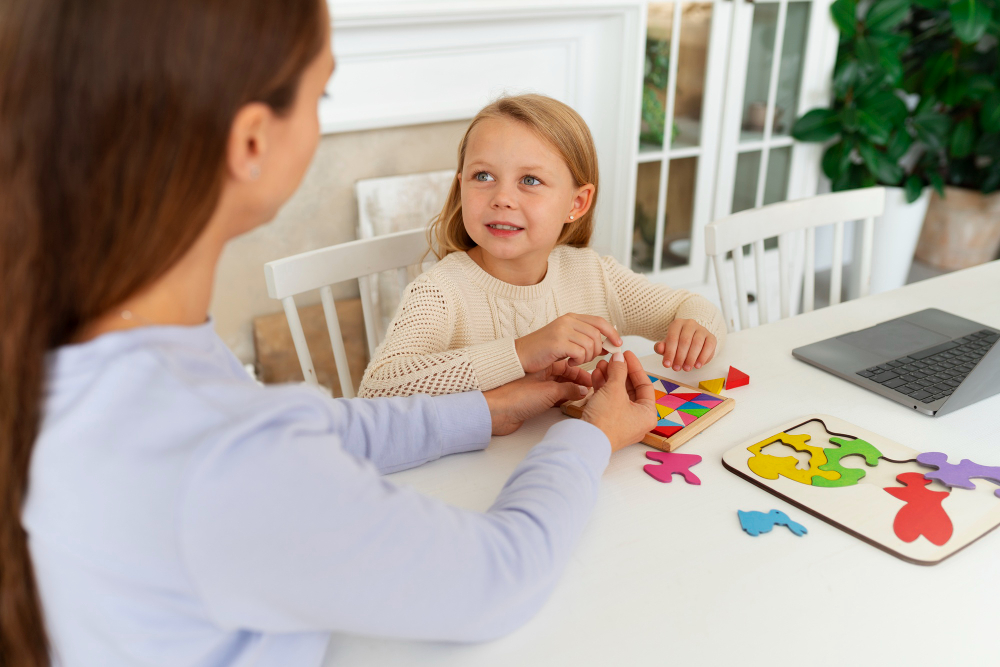
By using different methods and plays, pediatric occupational therapy is a way to make children have more of the necessary skills which are the bases for their independence, learning, and emotional development. Mainly, it helps to make the skills better:
- Fine motor skills (grasping, writing, holding objects)
- Cognitive skills (planning, problem-solving, memory)
- Social and emotional skills (playing, sharing, regulating emotions)
- Daily living skills (dressing, feeding, hygiene)
- School-related skills (writing, cutting, classroom participation)
Kids may require occupational therapy if they have:
- Impaired development
- Autism spectrum disorder (ASD)
- ADHD
- Down syndrome
- Cerebral palsy
- Sensory processing difficulties
- Behavioral challenges
- Injuries affecting motor function
Who Offers Pediatric Occupational Therapy?
- Hospitals
- Pediatric clinics
- Schools
- Rehabilitation centers
- Early intervention programs
Their motto is to empower children through formative experiences, which will enable them to be independent and learn throughout their lives.
What Kind of Conditions Does Occupational Therapy for Kids Help Manage?
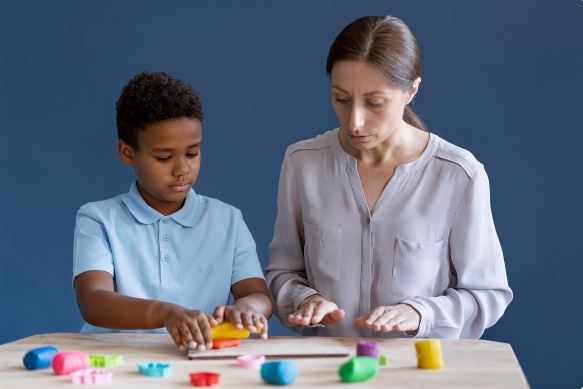
Pediatric occupational therapy comprises a treatment program that is tailored to the child’s physical, cognitive, emotional, and sensory needs. Therapy will help a child in:
Movement and Coordination
Developing more flexible, strong, and balanced hands, a better sense of balance, more coordinated movements, and the ability to use both hands together.
Sensory Processing
Solutions for children who are hypersensitive as well as children who are under-responsive to sounds, fabrics, light, or movement.
Visual-Motor and Perceptual Skills
Improving eye-hand coordination, which is necessary for writing, drawing, and reading.
Self-Regulation and Coping
Communicating to the kids the skills they need for handling anger, changes, and emotional reactions.
Self-Help Skills
Training through the practice of dressing, eating, grooming, and other daily tasks that promote independence.
Occupational therapy can be an excellent method for supporting those with ASD, ADHD, cerebral palsy, developmental delays, sensory processing disorder, and motor impairments, among other conditions.
What is Included in the First Pediatric Occupational Therapy Evaluation?
The initial session of a child is primarily a detailed assessment. A parent or caregiver may remain with the child while the therapist observes the child’s movement, interaction, and play. The therapist might also request the child to perform some simple tasks, such as:
- Drawing, coloring, or writing
- Eating foods that the child is familiar with, but with different textures
- Building with blocks or stringing beads
- Playing with toys that require movement, focus, or problem-solving skills
The therapist also interviews the child’s parents about daily routines, difficulties at home or school, and their goals. This session is usually one to two hours long.
What Goes on During the Subsequent Therapy Sessions?
Through the information gathered in the initial evaluation, the therapist drafts a personal plan with doable targets. In every therapy session, there are enjoyable and well-organized activities that aim to develop skills, such as:
- Tracing letters or figures
- Getting involved in self-care activities
- Playing games that enhance coordination
- Engaging in sensory play through different textures, using the swing, or weighted tools
- Employing assistive devices if necessary
The kids’ activities differ and are always suitable for their age and interesting.
Benefits and Risks
What Are The Benefits Of Occupational Therapy For Kids?
Pediatric occupational therapy can help children:
- Develop self-esteem and a sense of independence
- Enhance academic performance
- Acquire the motor and sensory skills more effectively
- Become socially more adaptable
- Master emotional regulation
- Become more active in the community
Are There Risks Involved?
Occupational therapy is not associated with any medical risks. Nevertheless, kids might breathe out through:
- Frustration
- Tiredness or muscle soreness
- Fear or hesitation
- Temporary lack of interest
When Is A Good Moment To Call Your Child’s Occupational Therapist?
Contact your therapist if your child:
- Not meeting developmental milestones
- Difficulty with textures, sounds, or specific movements
- Give up on tasks that they had already managed
- Have trouble interacting in school or at home
For parents in the Bronx wanting skilled and child-friendly care, Magnethealthny Pediatrics is the right place that offers total support to kids with developmental, motor, sensory, and learning problems. Our pediatric specialists are available to guide, evaluate, and design individualized treatment plans that will help your child grow and develop.